From Okinawa to the World: Karate’s Journey from Tradition to Modern Sport

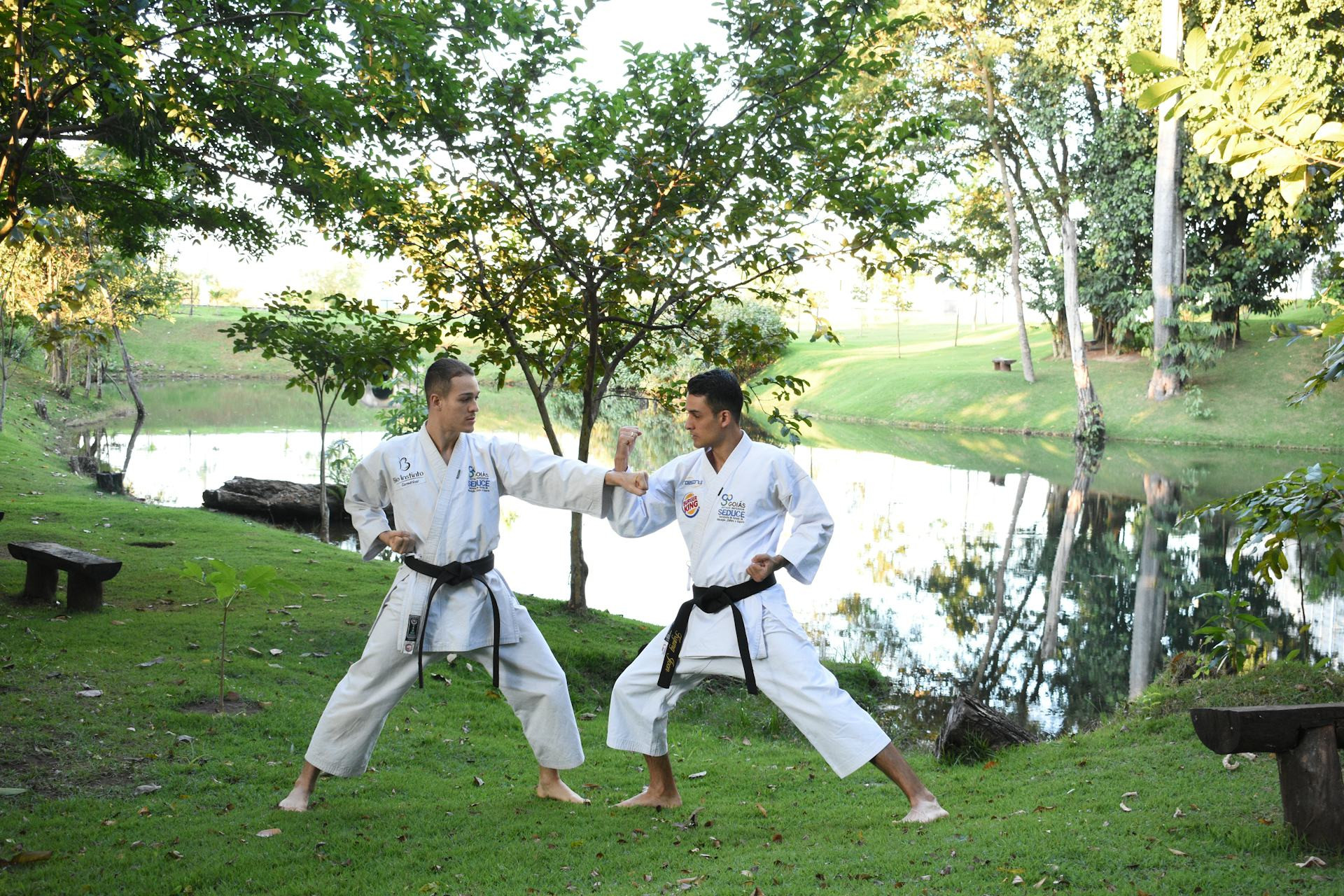
From Okinawa to the World: Karate’s Journey from Tradition to Modern Sport
When we see karate performed on Olympic mats or in community gyms across the United States, it can be hard to imagine that this martial art began on a small island in southern Japan. From its origins as a local self-defense practice in Okinawa, karate has evolved into a global sport with millions of practitioners. But how did this transformation happen—and what does it mean for the way we understand karate today?
Roots in Okinawa – A Meeting of Cultures
Karate’s story begins in the 1600s and 1700s on Okinawa, once part of the independent Ryukyu Kingdom. Positioned between Japan and China, the island was a crossroads of trade and culture. When Japanese samurai occupied Okinawa in 1609 and banned weapons, the local population began developing unarmed fighting techniques for self-defense.
These techniques were influenced by Chinese kung fu and local fighting traditions, gradually forming what was known as te—“hand.” Over time, this evolved into kara-te, meaning “empty hand,” a term that reflected both the practice of fighting without weapons and a philosophy of discipline, humility, and respect.
From Secret Practice to Public Art
For centuries, karate was taught in secret, often at night and only to trusted students. It wasn’t until the early 20th century that masters such as Gichin Funakoshi began to formalize and share karate with a wider audience. Funakoshi introduced karate to mainland Japan in the 1920s, presenting it not just as a method of combat but as a path to character development and self-control.
He founded the Shotokan style, which became one of the most influential schools of karate. His efforts helped establish karate as part of Japan’s cultural heritage. During this period, many traditional techniques were standardized, and training began to take on a more educational and athletic form.
Karate’s Global Expansion
After World War II, karate spread rapidly beyond Japan. American servicemen stationed in Japan and Okinawa brought the art home, and by the 1950s and 60s, karate schools were opening across the United States. The rise of martial arts films and pop culture—from Bruce Lee’s action movies to The Karate Kid—turned karate into a symbol of discipline, strength, and inner peace.
As karate’s popularity grew, so did its diversity. Different styles and organizations emerged, each emphasizing distinct aspects of the art: some focused on sport and competition, while others preserved traditional forms and philosophy.
From the Dojo to the Sports Arena
By the 1970s, karate had firmly established itself as a competitive sport. International federations were formed, and standardized rules for scoring, safety, and judging were introduced. This made it possible to hold world championships and national tournaments where practitioners could test their skills under fair conditions.
This evolution reached a milestone in 2021, when karate made its Olympic debut at the Tokyo Games. For many, it was a moment of recognition for karate’s global significance—and a testament to how a centuries-old martial art could adapt to the modern sporting world.
Tradition and Sport – Two Sides of the Same Coin
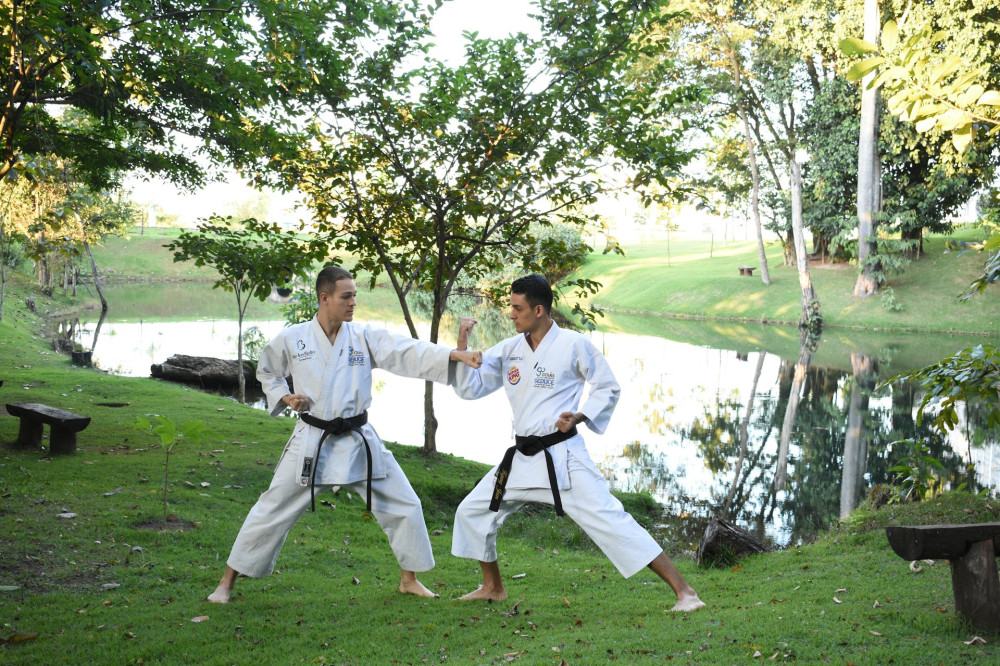
Although karate is now often associated with competition, its traditional spirit remains alive. In dojos across America and around the world, students still bow before entering the training hall, recite the dojo kun (training principles), and practice with respect and mindfulness. For many, karate is not just about winning matches but about personal growth and self-understanding.
The balance between tradition and sport continues to be a topic of discussion within the karate community. Some worry that the focus on medals and points may dilute the art’s philosophical roots, while others see sport karate as a natural evolution that keeps the practice vibrant and relevant.
Læs også:

A Living Legacy
From the hidden courtyards of Okinawa to the bright lights of international arenas, karate has traveled an extraordinary path. Its enduring strength lies in its ability to unite the old and the new—to be both a martial art and a way of life, a sport and a tradition.
Whether practiced for competition, fitness, or inner peace, every punch and bow carries a piece of this history. Karate is more than a set of techniques—it is a living culture that continues to evolve while honoring the spirit of its origins.
Læs også: