Eco-Friendly Martial Arts Gear: Choose Durable Quality with Care


Eco-Friendly Martial Arts Gear: Choose Durable Quality with Care
Martial arts are built on discipline, respect, and balance — not only in training but also in the choices we make beyond the mat. As more Americans become aware of environmental issues, interest in sustainable training gear is growing. From gloves and uniforms to pads and training equipment, there are now many ways to choose products that are durable, functional, and made with care for the planet.
Here’s how you can select eco-friendly martial arts gear that aligns with both your training goals and your values.
Why Sustainability Matters in Martial Arts
Traditional martial arts gear is often made from synthetic materials like PVC, nylon, and foam, which require large amounts of energy to produce and are difficult to recycle. Low-quality gear also tends to wear out quickly, leading to more waste and frequent replacements.
By choosing high-quality, sustainably made equipment, you can reduce your environmental footprint while investing in gear that lasts longer. It’s a win for both your training and the planet.
Thoughtful Material Choices
When shopping for new gear, take a closer look at what it’s made of. Many brands now offer alternatives to conventional synthetic materials.
- Organic cotton – Commonly used for gi uniforms in judo, karate, and taekwondo. It’s soft, breathable, and grown without harmful pesticides.
- Recycled polyester – A smart choice for training apparel and gym bags, helping to reduce the demand for new plastic.
- Vegetable-tanned leather – A more eco-friendly option for gloves and pads compared to chemically tanned leather.
- Natural latex and cork – Can replace synthetic foam in certain protective gear and mats.
Always check the manufacturer’s information about materials and certifications. Labels such as GOTS (Global Organic Textile Standard) and OEKO-TEX are good indicators of responsible production.
Durability Over Disposable Gear
One of the most sustainable choices you can make is to buy gear that lasts. Cheap products may seem appealing, but they often wear out quickly and need to be replaced more often.
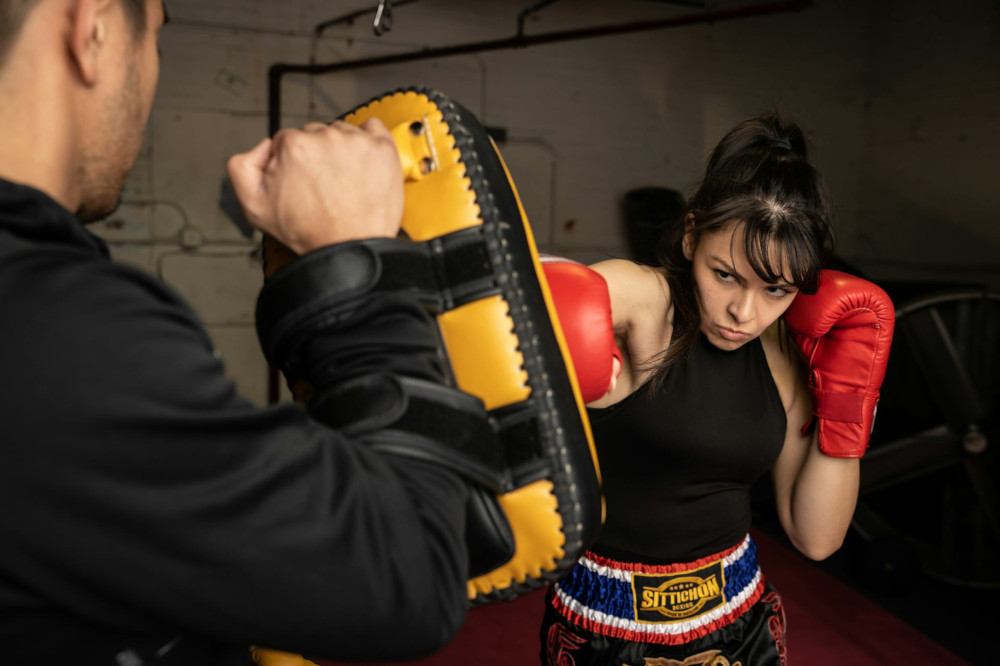
Instead, look for equipment with reinforced stitching, sturdy materials, and designs that can withstand repeated use and washing. This is especially important for uniforms, belts, and protective gear that endure heavy wear.
Reading reviews and asking instructors or experienced practitioners for recommendations can help you find brands known for quality. In the long run, durability pays off — for your wallet and for the environment.
Maintenance and Reuse
Even the best gear needs proper care to last. Wash uniforms in cold water, air-dry instead of using a dryer, and store gloves and pads in a dry place to prevent mold and odor.
When your gear finally wears out, see if it can be repaired or repurposed. Some dojos and community programs collect used equipment for beginners or for donation drives. Giving your old gear a second life is a simple way to reduce waste and support others in the martial arts community.
Læs også:


Brands with a Green Mission
Several martial arts brands are taking steps toward sustainability. Some focus on using recycled or organic materials, while others reduce plastic packaging or move production closer to their main markets to cut down on transportation emissions.
By supporting these companies, you help send a message that environmental responsibility matters to consumers. Over time, this can encourage the entire industry to move in a greener direction.
A New Way to Think About Gear
Choosing eco-friendly martial arts gear isn’t just about buying “green” products — it’s about adopting a mindful approach: buy less, choose better, and make it last.
When you care for your equipment and choose products made with respect for the environment, you’re honoring the same principles that martial arts teach: balance, responsibility, and respect for the world around you.
Læs også: