Control the Fight: Use Parries and Dodges to Your Advantage


Control the Fight: Use Parries and Dodges to Your Advantage
In any combat sport, victory isn’t just about hitting hard or moving fast. The fighter who controls the pace, rhythm, and distance often dictates the outcome. Parries and dodges are key to that control—they allow you to neutralize your opponent’s attacks and create openings for your own. Instead of reacting in panic to every strike, the right defensive techniques let you stay calm, composed, and in charge, even under pressure.
Understanding the Purpose of Parries and Dodges
A parry isn’t just about blocking a punch or kick—it’s about redirecting force, changing angles, and maintaining balance. A good parry is efficient: you use minimal energy while gaining maximum control. Dodges, on the other hand, are about moving your body out of the line of attack. That might mean a small step, a shift in weight, or a subtle rotation of the torso. The goal is to avoid contact while staying close enough to counter.
When you master both, you become difficult to hit and dangerous to attack. You force your opponent to take risks—and that’s when you can capitalize.
Learn to Read Your Opponent
Effective parries and dodges start with awareness. Pay attention to your opponent’s rhythm, movement patterns, and subtle cues that signal an incoming strike. Many fighters have unconscious habits—a shoulder twitch, a shift in stance, or a glance that gives away their intent. The better you get at reading these signs, the earlier you can respond.
Train yourself to anticipate rather than simply react. This mental edge makes your defensive movements smoother and more instinctive.
Læs også:



Parries: Technique and Timing
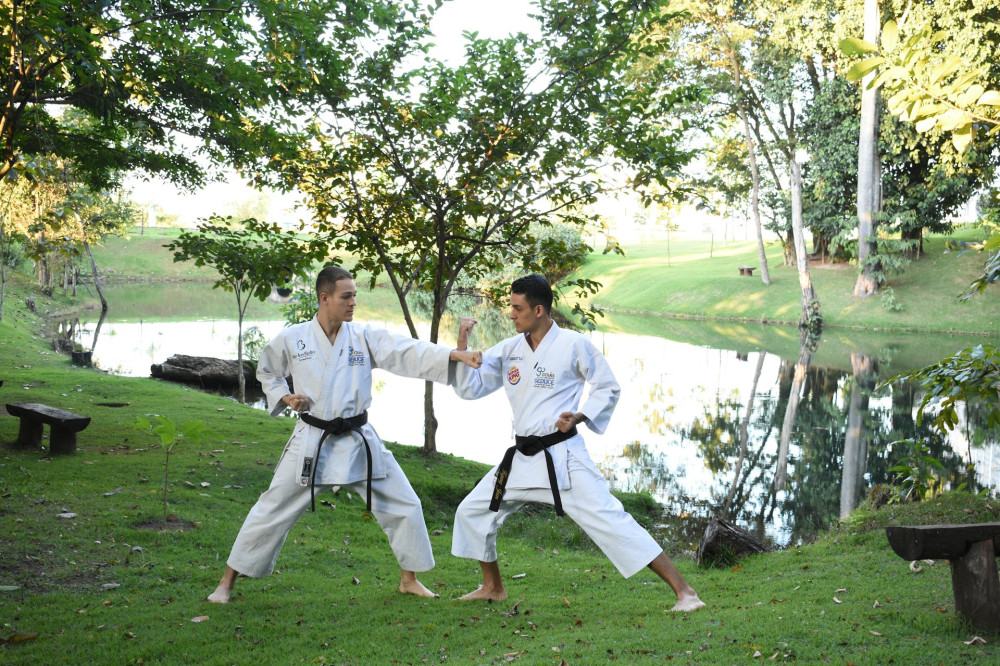
Different martial arts use different types of parries—from the tight, compact blocks of karate to the open-hand redirections of boxing or the deflecting motions in taekwondo. What they all share is the need for timing and precision.
- Keep your parry close to your body. The shorter the motion, the faster your response.
- Engage your whole body. A parry isn’t just an arm movement—your hips and shoulders should support the motion to absorb impact.
- Don’t meet force with force. Instead of stopping the attack head-on, guide it away from your centerline.
- Follow up immediately. A parry is most effective when it transitions into a counter—whether that’s a punch, kick, or takedown.
Start slow when practicing parries. Focus on form, balance, and timing before increasing speed. Precision always comes before power.
Dodges: Move with Purpose
Dodging requires body control and timing. It’s not about running away—it’s about moving just enough to make the attack miss. In boxing, this might be head movement; in other disciplines, it could be a sidestep or a backward shift.
- Stay balanced. A dodge should never take you out of position. You need to be ready to counter immediately.
- Use small movements. The less you move, the faster you can recover.
- Start with your feet. Good dodging begins with footwork, not just upper-body motion.
- Train your rhythm. Learn to move in sync with your opponent so you can “slip” attacks smoothly rather than jump away.
When you master dodging, you don’t just avoid getting hit—you start controlling the tempo of the fight.
Blend Defense and Offense
One of the biggest mistakes fighters make is separating defense and offense. In reality, they should flow together. A parry can become a counterattack in the same motion, and a dodge can set up the perfect angle for a strike.
Practice combinations that transition directly from defense to offense. For example: parry a jab with your left hand and counter with a right cross, or slip a punch and step in with a hook. The more natural these transitions become, the more effective you’ll be in the ring or on the mat.
Mental Control – The Hidden Advantage
Controlling the fight isn’t just about technique—it’s about mindset. Parries and dodges require calm, focus, and patience. If you get flustered, you lose rhythm and start reacting too late. Train your mental composure as much as your physical skills: focus on breathing, maintain eye contact, and stay relaxed even when the pace picks up.
When you can stay centered under pressure, you don’t just become a better fighter—you become a more disciplined and self-aware athlete, able to carry that focus into everyday life.
Train with Purpose
Developing strong defensive skills takes consistent, mindful practice. Work with a partner who attacks at a controlled pace so you can refine your parries and dodges in realistic scenarios. Use mirrors to check your form, and record your sessions to analyze timing and balance.
Remember, the goal isn’t to avoid every strike—it’s to handle them with precision and composure. Over time, you’ll find that you’re no longer reacting to your opponent—you’re controlling the fight.
Læs også: