Fluid Motion in Combat: Combine Attacks and Technique Effectively

Fluid Motion in Combat: Combine Attacks and Technique Effectively
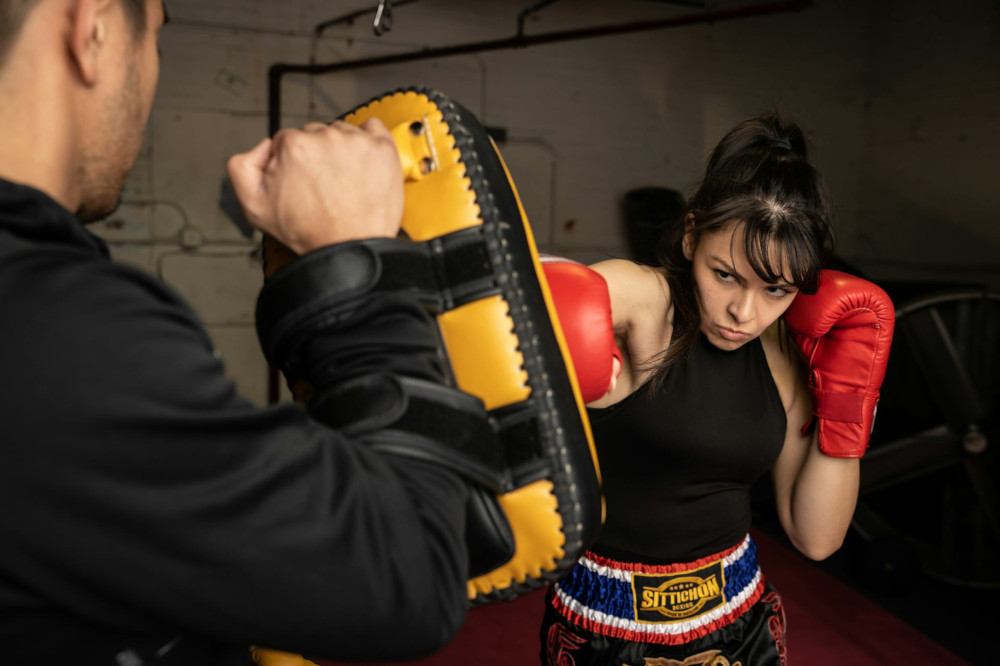
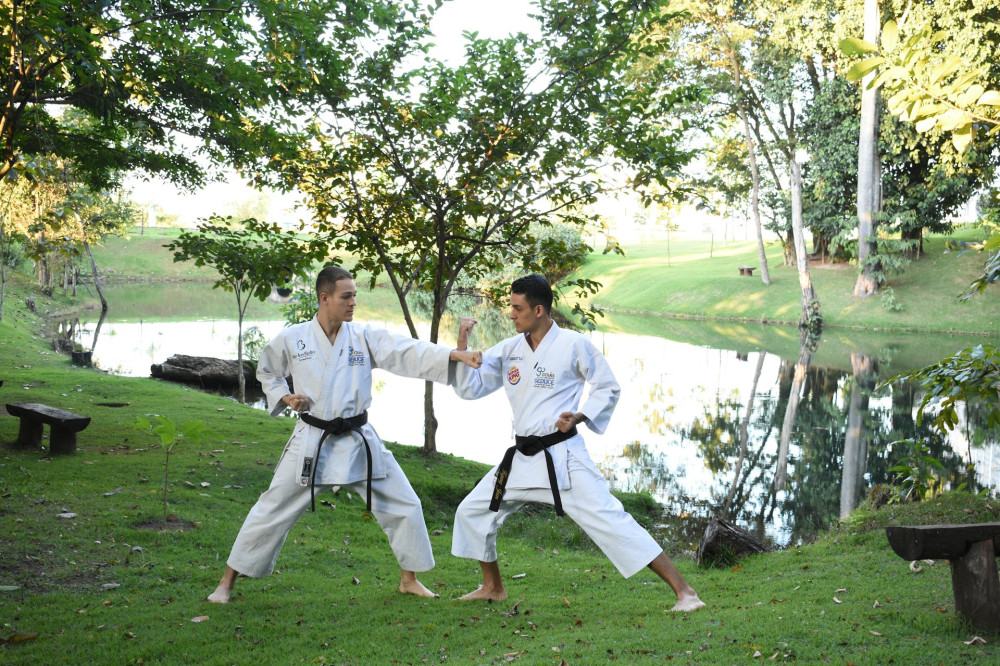
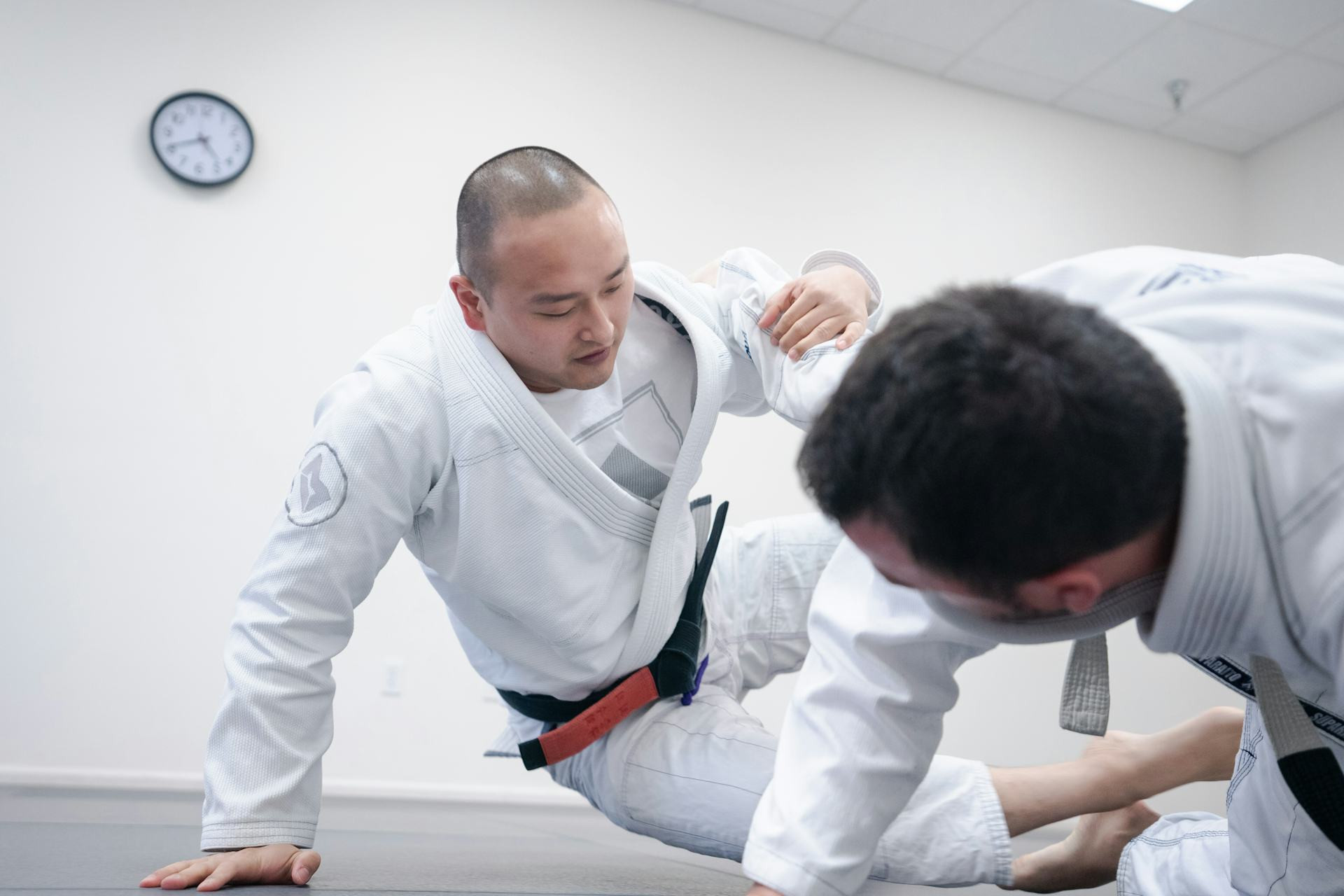
Fighting isn’t just about strength or speed—it’s about timing, balance, and the ability to move seamlessly between offense and defense. Whether you practice boxing, kickboxing, Brazilian jiu-jitsu, or MMA, your ability to combine technique and movement is what separates a skilled fighter from a beginner. This article explores how to develop a fluid fighting style where attacks and technique merge into one continuous flow.
Understanding the Principle of Fluid Motion
Fluid motion means you don’t pause between actions. Instead, every step, strike, and defense transitions naturally into the next. It’s about maintaining momentum and rhythm—staying in motion without wasting energy.
In practice, this means reacting intuitively. When you throw a punch, you should already be thinking about your next move—perhaps a sidestep, a kick, or a counter. This makes you unpredictable and harder to hit.
The Connection Between Technique and Timing
Technique is the foundation of all combat sports, but without timing, even perfect technique loses its impact. Fluid motion emerges when you understand when to attack and when to retreat. It requires reading your opponent and adapting to the situation.
A useful training method is to practice combinations slowly, focusing on the transitions between movements. Once you master the rhythm, gradually increase your speed. It’s better to move with control and precision than to rush stiffly through your techniques.
Footwork as the Foundation
Footwork is the key to fluid movement. It connects your body to the ground and allows you to move freely. Many fighters focus too much on their upper body and forget that it’s the feet that control the flow of the fight.
- Keep your weight centered – so you can change direction quickly.
- Stay light on your toes – it improves agility and reaction time.
- Avoid standing still – even small adjustments in position can give you a tactical edge.
When footwork becomes a natural part of your rhythm, your attacks and defenses will automatically become smoother and more efficient.
Læs også:

Transitions Between Offense and Defense
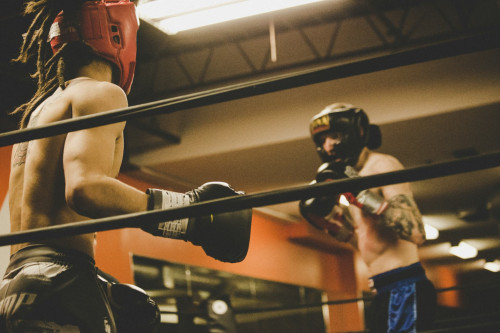
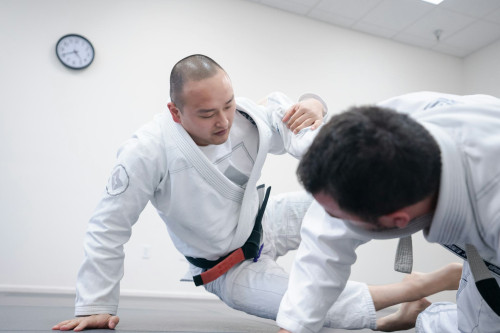
One of the biggest challenges in combat is switching between offense and defense without losing balance. Many fighters stop after a strike or kick, giving their opponent a chance to take control.
Train to let your movements connect. After a punch, step back, block a counter, and then glide forward with a new combination. Think in sequences rather than isolated actions.
For example, combine a low kick with a quick jab, followed by a movement off the centerline. This keeps pressure on your opponent while keeping you out of danger.
Mental Focus and Body Awareness
Fluid motion isn’t just physical—it’s also mental. You need to be present in the moment and aware of how your body responds. Many martial artists use breathing as a tool to maintain calm and rhythm during a fight.
When you breathe steadily and with control, your movements become more natural. You avoid unnecessary tension and can react faster to your opponent’s actions. This is where technique and intuition meet.
Training Drills for Fluid Motion
To develop fluid motion, include specific exercises in your training routine:
- Shadowboxing with rhythm focus – keep moving constantly, letting each strike lead into the next.
- Footwork drills – practice moving in circles, diagonally, and forward/backward without losing balance.
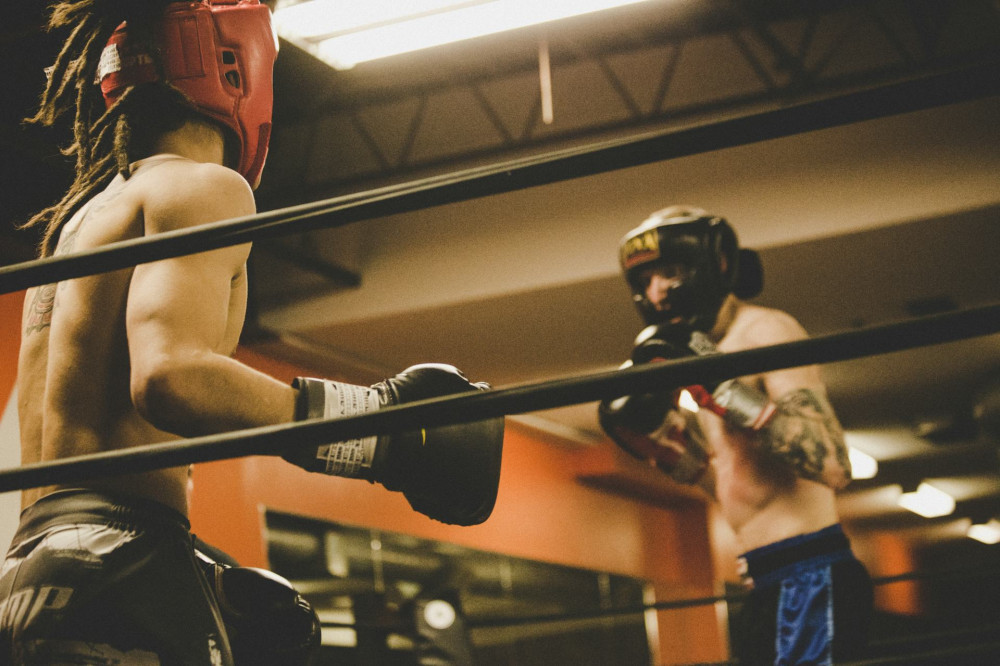
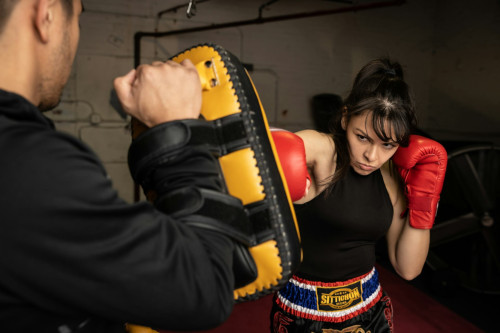
- Flow sparring – train with a partner at a slow pace, focusing on movement and timing rather than power.
- Combination drills – create sequences of punches, kicks, and blocks that connect naturally.
These exercises strengthen both your technique and your ability to stay calm and controlled under pressure.
Fluid Motion as a Combat Philosophy
Once you master fluid motion, it becomes more than a technique—it becomes a mindset. You learn to respond rather than overthink, to adapt instead of resist. This is where combat transforms from mechanical execution to expressive art.
Combining attacks and technique effectively is ultimately about finding balance between control and freedom. When you move fluidly, you don’t just become a better fighter—you become more aware of your body, your rhythm, and your potential.
Læs også: