Technique and Flow in Skiing: The Key to a More Graceful Turn

Technique and Flow in Skiing: The Key to a More Graceful Turn
A beautiful ski turn looks effortless—like the skier is gliding through the snow with perfect ease. But behind that graceful motion lies a combination of technique, timing, and an understanding of how the body moves in harmony with the terrain. Whether you’re a beginner or a seasoned skier, focusing on technique and flow can elevate your skiing to a new level. Here’s how to gain more control, balance, and elegance on the slopes.
Mastering the Basics – Balance Is Everything
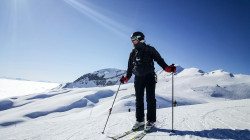
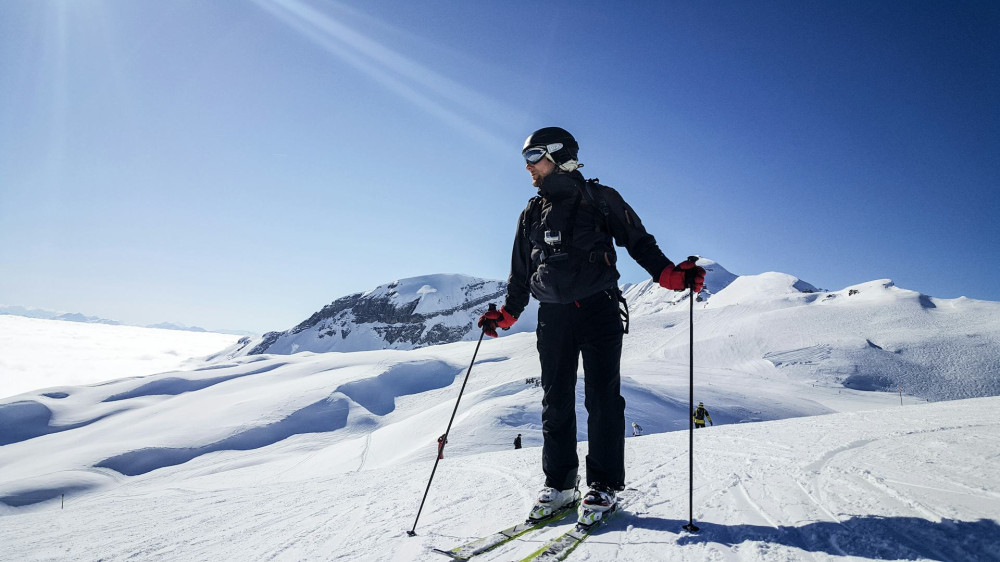
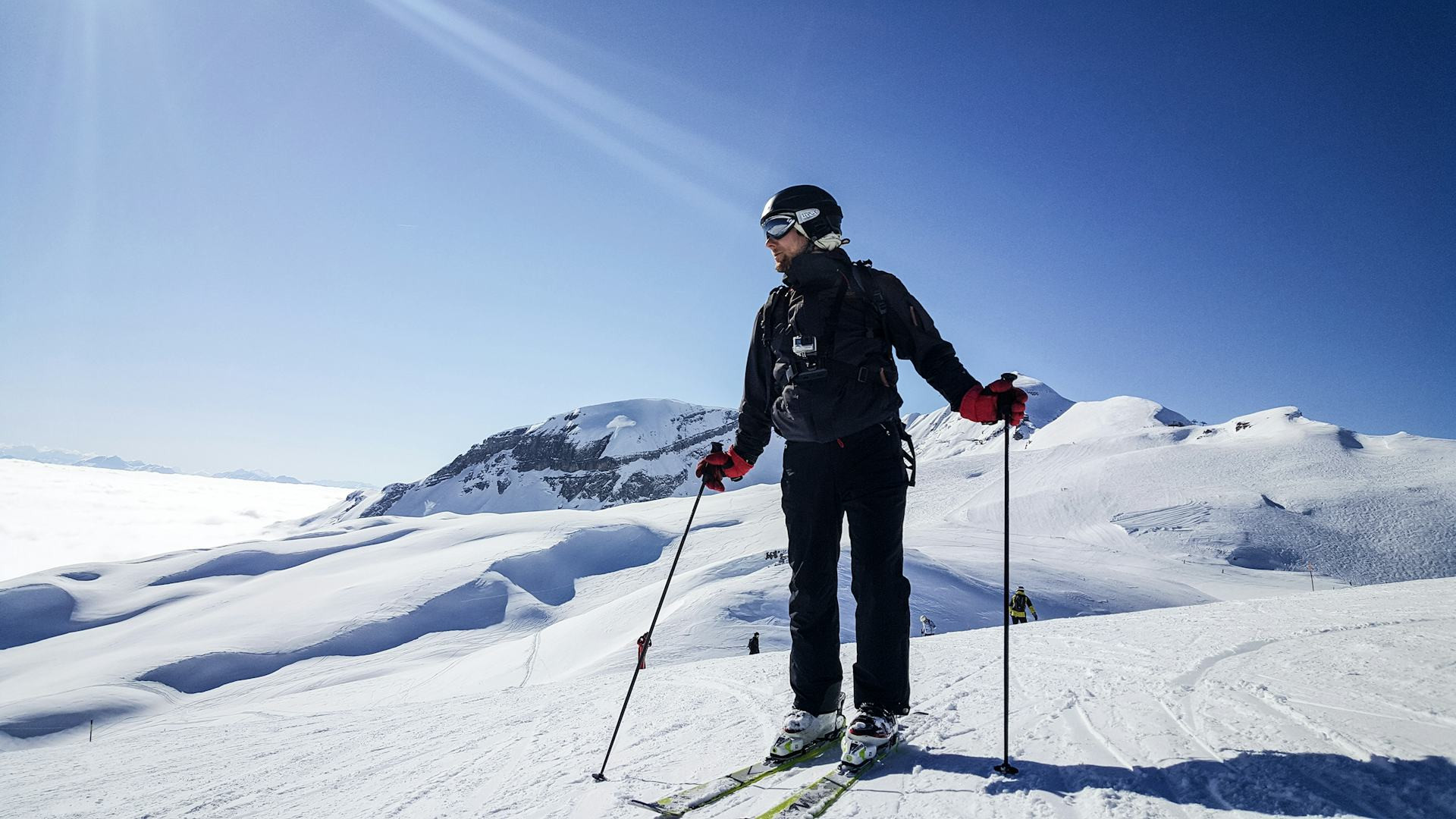
Every great turn starts with a solid stance. Keep your feet about hip-width apart, knees slightly bent, and your weight evenly distributed over both skis. Your upper body should be relaxed but engaged—you steer with your legs, not your arms.
As you move down the slope, the key is to keep your center of gravity over your skis. Many skiers make the mistake of leaning too far back, which makes it harder to steer and control speed. Instead, think about pressing gently on the front of your boots—this helps you stay forward and maintain better contact with the snow.
The Three Phases of a Turn
A turn can be broken down into three phases: initiation, shaping, and completion. Mastering the transitions between these phases is what creates smooth, flowing skiing.
- Initiation: Gradually shift your weight to the outside ski and let the skis begin to turn. Keep your upper body facing slightly downhill—this gives you stability and control.
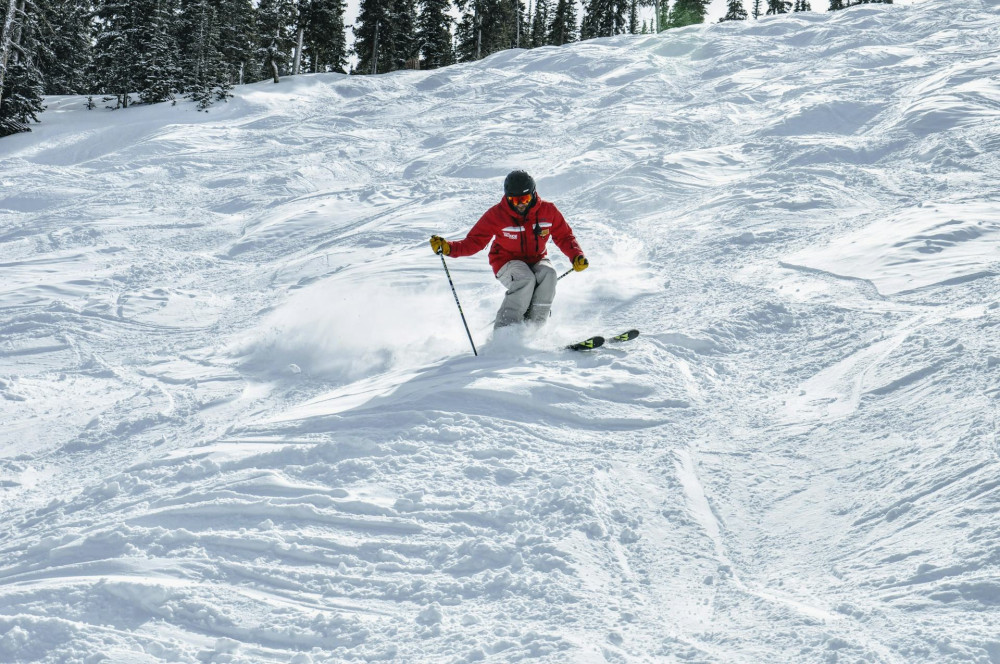
- Shaping: Use your legs actively to guide the turn. Increase pressure on the outside ski while allowing the inside ski to follow naturally. Keep your upper body calm and let your legs do the work.
- Completion: As the turn finishes, release the pressure and prepare for the next one. This is where rhythm and flow come alive—each turn leading seamlessly into the next.
Flow – The Art of Continuous Movement
Flow in skiing is all about rhythm and timing. Instead of thinking of each turn as a separate action, see them as part of one continuous movement. When you find your rhythm, skiing feels light and natural—almost like dancing down the mountain.
Use the terrain to your advantage. Let the slope, small bumps, and snow texture guide your movement. The more you adapt to the surface beneath you, the more harmonious your skiing becomes. Listen to the sound of your skis on the snow—it tells you whether you’re gliding smoothly or pushing too hard.
Drills to Improve Your Technique
Even small adjustments can make a big difference. Try these simple exercises next time you’re on the mountain:
- One-ski drill: Ski short sections using only your outside ski to train balance and weight distribution.
- Rhythm turns: Make short, quick turns in sync with your breathing—this helps you find your natural flow.
- Soft knees: Let your knees act like springs. This improves snow contact and stability.
- Video feedback: Have a friend film you. Watching yourself ski can reveal habits and areas for improvement you might not feel in the moment.
Læs også:
Equipment and Preparation
Even the best technique can be limited by the wrong gear. Make sure your skis match your skill level and weight, and that your boots fit snugly without pinching. Sharp edges and properly waxed skis make it easier to control your turns and maintain grip on icy or variable snow.
Don’t skip your warm-up. A few minutes of light stretching and movement before your first run can prevent stiffness and improve your responsiveness. Skiing is physically demanding—the better prepared your body is, the easier it will be to maintain good technique all day.
From Technique to Experience
When your technique feels natural and your flow begins to take shape, skiing transforms into something more than a sport—it becomes an experience. You feel the snow, the wind, and the rhythm of your own movement. That’s when skiing becomes pure joy.
Working on technique and flow takes patience, but the reward is worth it. A graceful turn isn’t just about looking good—it’s about feeling confident, free, and completely connected to the mountain.
Læs også: