Sit Better During Meditation: Choose the Right Cushion or Chair

Sit Better During Meditation: Choose the Right Cushion or Chair
A comfortable meditation posture isn’t just about discipline or focus—it’s about physical ease. When your body is tense or your legs fall asleep, it’s hard to find the calm that meditation is meant to bring. That’s why choosing the right cushion, bench, or chair matters. Here’s how to sit better during meditation and find the setup that supports your body and your practice.
Why Comfort Matters
Meditation often involves sitting still for several minutes—or even longer. If your seat is too hard, too low, or lacks support, discomfort in your back, hips, or knees can quickly pull your attention away from your breath.
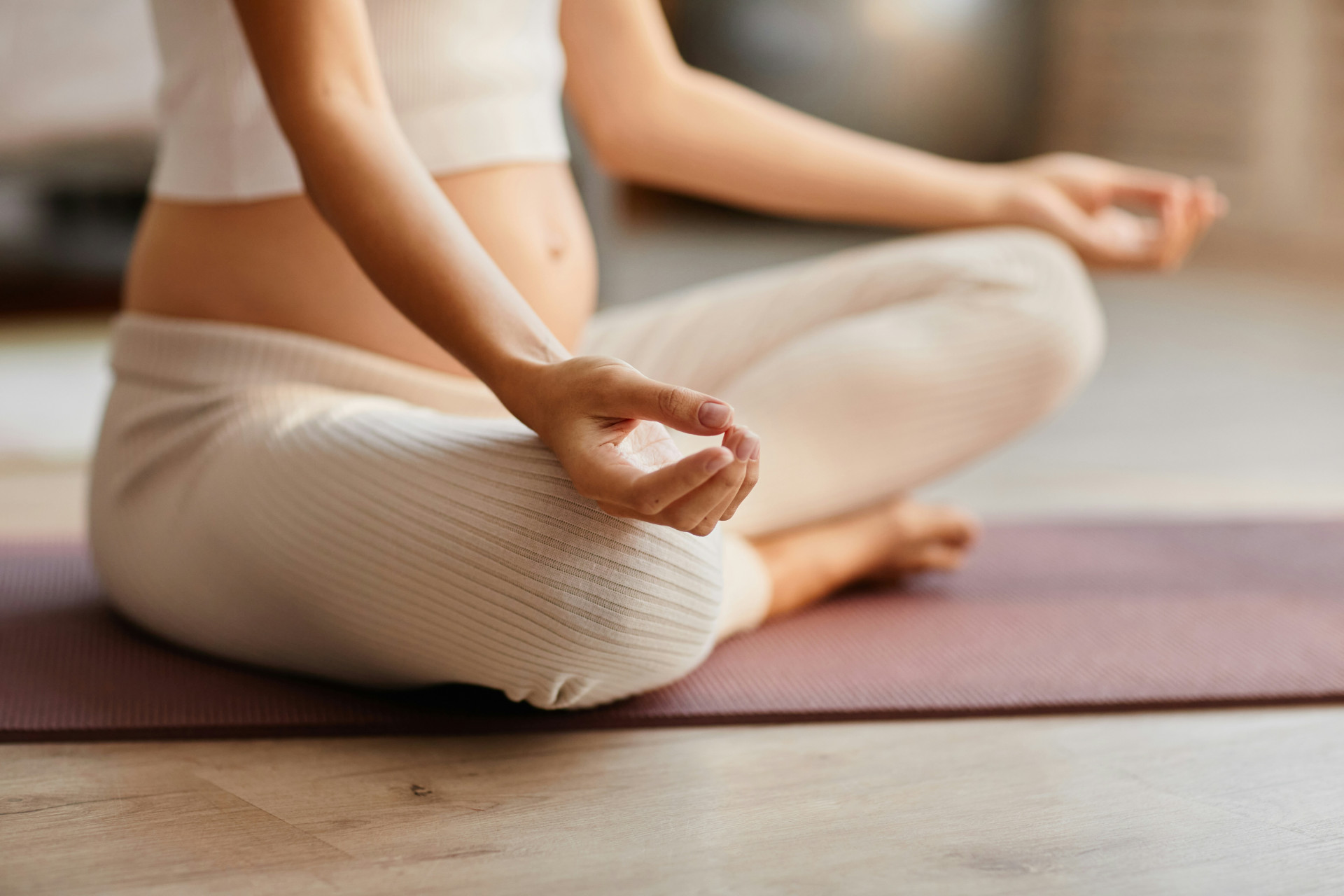
A good posture supports your body so you can relax without slouching. Your spine should be upright but not rigid, and your hips should be slightly higher than your knees. This gentle tilt helps your body balance naturally, reducing strain on your muscles.
Cushions – Flexible Support for Floor Meditation
If you prefer to meditate on the floor, a cushion—often called a zafu or meditation cushion—can make a big difference. It lifts your hips and supports your posture so you can sit cross-legged or in half lotus without putting too much pressure on your knees.
Common types include:
- Round zafu – the classic shape that provides height and stability for most body types.
- Crescent cushion – shaped to support your thighs and ease tension in the hips.
- Flat mat (zabuton) – placed under your zafu to cushion your knees and ankles against the floor.
The filling also affects comfort. Buckwheat hulls mold to your body and offer firm support, while kapok or cotton fillings feel softer and lighter. Try different options to see what feels best—your cushion should keep you stable without sinking too deeply.
Meditation Bench – A Great Alternative
If sitting cross-legged isn’t comfortable, a meditation bench can be a great option. It’s used in a kneeling position, with the bench’s slanted seat supporting your weight and relieving pressure on your knees and ankles.
Benches come in various heights and materials—from simple wooden designs to padded, foldable versions that are easy to store or travel with. A bench encourages an upright yet relaxed posture, and many people find it easier to breathe deeply in this position.
Chair – For Those Who Need Extra Support
There’s no rule that says meditation must happen on the floor. If you have back, hip, or knee issues, a chair may be the most comfortable choice. The key is to sit upright and stable.
Choose a chair with a flat seat and no armrests, so your feet can rest flat on the floor and your hands can relax on your thighs. Avoid leaning back; instead, use your core muscles to keep your spine tall. You can place a small cushion behind your lower back for extra support.
Finding the Right Height
Whether you use a cushion, bench, or chair, height is crucial. Your hips should be slightly higher than your knees to keep your spine naturally aligned. Sitting too low can cause you to slump, while sitting too high can make you feel unstable.
If possible, test different heights before buying. Many yoga studios and meditation centers in the U.S. have cushions and benches you can try. A little experimentation can save you from discomfort—and from investing in the wrong gear.
Create a Peaceful Meditation Space
Once you’ve found your ideal seat, set up a small meditation corner at home. Place a rug or mat under your cushion or chair, light a candle, and make sure the space feels calm and uncluttered. Having a dedicated spot helps your mind associate that area with stillness and focus.
You don’t need much room—just a quiet corner where you can sit undisturbed. The goal is to feel safe, supported, and at ease.
Læs også:
Listen to Your Body and Adjust
Even with the best setup, your body’s needs can change from day to day. Some days, sitting cross-legged feels natural; other days, a chair might be better. Pay attention to how your body feels and adjust as needed. Meditation isn’t about forcing yourself into a perfect posture—it’s about finding peace in the position that works for you.
When you sit comfortably, it’s easier to let go of distractions and settle into your breath. The right cushion or chair isn’t just about comfort—it’s a tool that supports your practice and helps make meditation a sustainable part of your daily life.
Læs også: