Movement and Balance: How Physical Activity Boosts Your Mood

Movement and Balance: How Physical Activity Boosts Your Mood
When your body moves, your mind follows. A walk through the park, a jog around the neighborhood, or a quiet yoga session can shift your mood in just a few minutes. Research shows that physical activity doesn’t only strengthen your muscles and heart—it also has a powerful impact on your mood, energy, and emotional balance. But why does it work this way, and how can you use movement as a tool for better well-being in everyday life?
The Body and Mind Connection
When you move, your body releases a mix of chemicals—endorphins, dopamine, and serotonin—that all play a role in how you feel. Endorphins reduce stress and pain, dopamine fuels motivation and joy, and serotonin promotes calm and stability. That’s why many people feel lighter and clearer after a workout, whether it’s a high-energy spin class or a peaceful stroll.
Physical activity also increases blood flow to the brain, which can improve focus, memory, and sleep. The result is not just a better mood, but also a sharper mind and greater resilience to stress.
Læs også:



Small Steps, Big Impact
You don’t need to run a marathon to feel the benefits. Even short bursts of movement can make a difference. A brisk 20-minute walk can lower stress levels, and a few minutes of stretching can help you unwind after a long day.
Consistency matters more than intensity. When movement becomes a natural part of your daily routine, your body and mind find a rhythm that supports balance and well-being. It might mean taking the stairs instead of the elevator, biking to work, or doing a few yoga poses in the morning.
Find the Movement That Fits You
There’s no single right way to move. Some people find joy in running, while others prefer dancing, swimming, or yoga. The key is to choose something that feels good—not like a chore, but like a break from the noise of daily life.
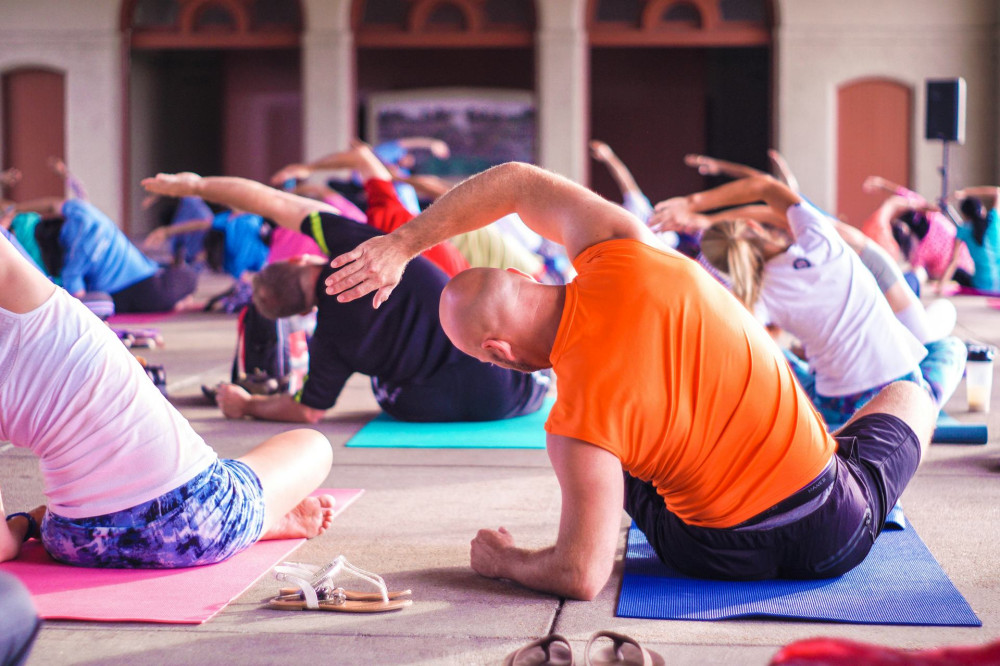
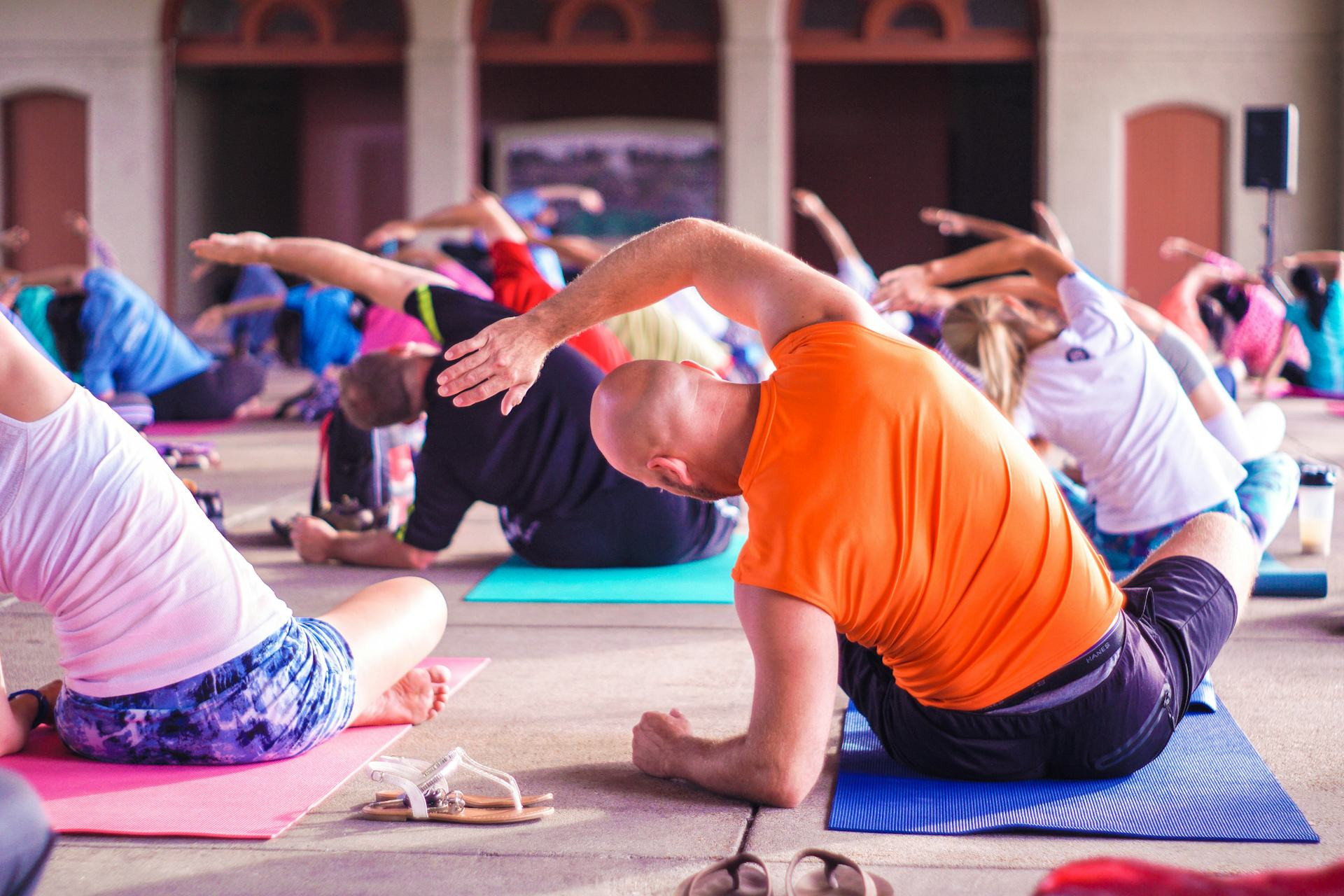
- Yoga and Pilates build strength and calm through mindful movement and breathing.
- Running and cycling boost energy and release tension, especially when done outdoors.
- Dancing and group classes combine movement with social connection, amplifying the positive effects on mood.
- Walking is the most accessible form of exercise—and often the most underrated.
When you find an activity you look forward to, it’s easier to stick with it, and the mood-boosting effects last longer.
Movement as a Mental Reset
In a busy world, physical activity can serve as a mental reset. When you move, your attention shifts from thoughts to sensations, giving your mind a much-needed break. Many people find that problems feel more manageable after a walk outside—not because they disappear, but because perspective changes.
Movement can also be a form of moving meditation. Repetitive motions, like running or swimming, create a rhythm that calms the nervous system and restores balance.
Building a Sustainable Routine
For movement to truly support your mood, it has to fit your life. It’s not about pushing yourself to the limit—it’s about creating a rhythm you can maintain. Start small and build gradually. Schedule regular times for movement, and see it as an investment in your mental health, not another task on your to-do list.
Adding a social element can help too. A walk with a friend or a weekly yoga class can provide both physical and emotional support.
Movement as a Path to Balance
When you move regularly, you become more attuned to your body’s signals. You learn to balance activity with rest, energy with calm. That balance is where your mood stabilizes, and you gain the clarity and strength to face daily challenges with ease.
Movement isn’t just about getting stronger or faster—it’s about creating harmony between body and mind. And in that harmony, true balance begins.
Læs også: