One Step at a Time: Integrating the Ethics of Yoga into Everyday Life


One Step at a Time: Integrating the Ethics of Yoga into Everyday Life
For many Americans, yoga is a way to stretch, strengthen, and find a moment of calm in a busy day. Yet beyond the physical postures lies a deeper philosophy—a set of ethical principles that guide how we relate to ourselves, others, and the world around us. These principles, known as the yamas and niyamas, offer timeless wisdom that can help us live with more balance, compassion, and awareness. Here’s how you can begin to integrate the ethics of yoga into your daily life—one step at a time.
From the Mat to Everyday Moments
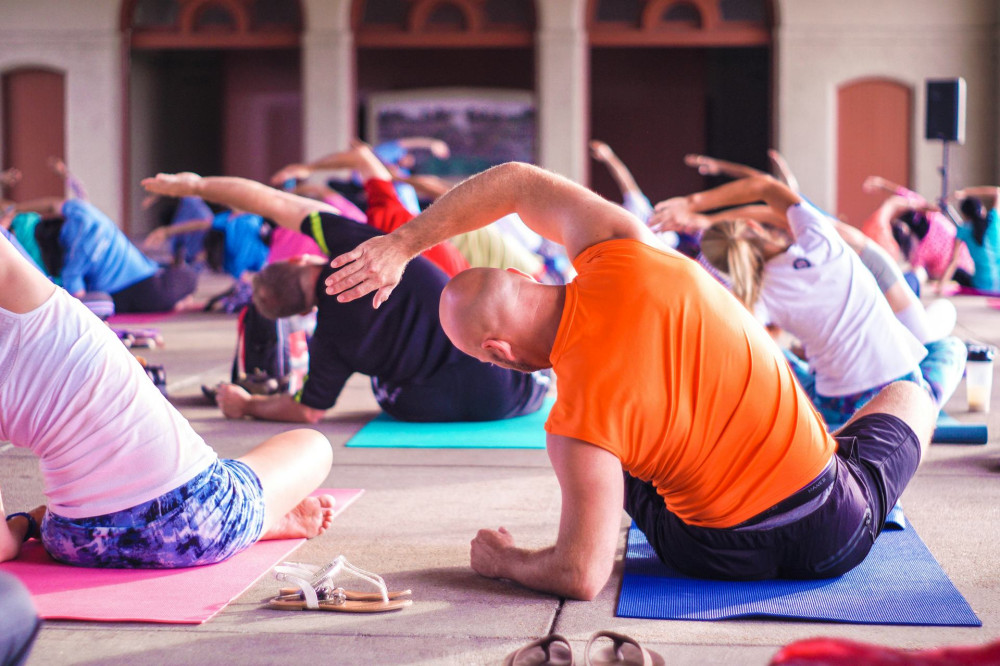
When we step onto the yoga mat, we practice more than movement. We practice presence—listening to our breath, noticing our thoughts, and meeting ourselves where we are. The same awareness can extend far beyond the mat: in how we speak to a coworker, handle stress, or respond to a challenging situation.
Bringing yoga’s ethics into daily life isn’t about perfection. It’s about small, conscious choices that align your actions with your values. It starts with understanding the foundation.
The Yamas – Ethics in Relation to Others
The five yamas describe how we can live harmoniously with the world around us. They are not strict rules, but gentle reminders.
- Ahimsa (non-violence) – Practicing kindness and compassion. This might mean speaking gently to yourself, avoiding harsh self-criticism, or showing patience when someone tests your limits.
- Satya (truthfulness) – Being honest while remaining considerate. It’s about expressing truth in a way that uplifts rather than harms, and staying true to your own integrity.
- Asteya (non-stealing) – Extending beyond material things, this principle invites us not to take more than we need—whether it’s time, attention, or energy.
- Brahmacharya (moderation) – Finding balance in how we use our energy. It could mean setting healthy boundaries with technology, creating time for rest, or focusing on what truly nourishes you.
- Aparigraha (non-possessiveness) – Letting go of the need to control or accumulate. This might look like decluttering your home, or releasing expectations about how life “should” be.
The Niyamas – Ethics in Relation to Yourself
The five niyamas focus on inner discipline and self-care—how we nurture our personal growth and well-being.
- Saucha (purity) – Creating clarity in body and mind. This could mean keeping your space tidy, eating nourishing foods, or clearing mental clutter through mindfulness.
- Santosha (contentment) – Finding peace with what is. Instead of chasing the next achievement, practice gratitude for small joys—a morning coffee, a walk outside, a quiet breath.
- Tapas (discipline) – The inner fire that fuels transformation. It might be committing to a daily meditation, showing up for your practice even when it’s hard, or following through on your intentions.
- Svadhyaya (self-study) – Getting to know yourself. Journaling, reading, or reflecting on your patterns can help you understand what drives your choices and how you can grow.
- Ishvara pranidhana (surrender) – Trusting that not everything is within your control. It’s about releasing attachment to outcomes and finding peace in the process itself.
Small Steps, Meaningful Change
Trying to live by ten ethical principles may sound overwhelming, but yoga reminds us that transformation happens gradually. Start with one idea that resonates with you. Maybe you’ll practice ahimsa by speaking more kindly to yourself, or santosha by appreciating what you already have.
Write down your reflections or share them with a friend or yoga teacher. When you articulate your intentions, they become easier to live by.
Ethics as a Daily Practice
Integrating yoga’s ethics doesn’t require a dramatic lifestyle overhaul. It’s about weaving mindfulness into ordinary moments. When you’re stuck in traffic, practice patience. When you cook dinner, do it with presence. When you face frustration, take a breath before reacting.
Over time, these small acts of awareness become part of who you are—a quiet but powerful shift in how you move through the world.
Læs også:



One Step at a Time
The ethics of yoga are not a checklist to complete, but a lifelong practice. They remind us that growth unfolds gradually—one breath, one thought, one action at a time. By bringing these principles off the mat and into your everyday life, you can cultivate more peace, clarity, and compassion—for yourself and for those around you.
Læs også: