Training with Care: How to Respect Your Horse’s Physical and Mental Limits

Training with Care: How to Respect Your Horse’s Physical and Mental Limits
Training a horse is about far more than technique or performance. It’s about empathy, patience, and respect. Horses are sentient beings with emotions, needs, and boundaries, and the best results come when training is built on trust rather than pressure. In this article, we’ll explore how to train with care and create a healthy, lasting partnership with your horse.
Understand the Nature of the Horse
To train with respect, you first need to understand how horses think and react. Horses are prey animals, and their instinct is to flee when they feel threatened. Harsh handling or sudden movements can trigger fear and resistance instead of learning.
A horse learns best when it feels safe. Create an environment where your horse can focus without being on alert. Use calm movements, consistent body language, and a steady voice that conveys reassurance. When your horse understands that you’re not a threat, it becomes more willing to cooperate.
Read the Signals – and Respond Early
Horses communicate constantly, often through subtle cues. Ears, eyes, tail, and muscle tension all reveal how they’re feeling. A horse that stiffens, pins its ears, or avoids contact is trying to tell you something is uncomfortable.
Respecting your horse’s limits doesn’t mean avoiding all challenges—it means introducing them thoughtfully. If your horse shows signs of stress, pause, give it a break, and identify what caused the reaction. It’s better to take a step back than to push too hard and lose trust.
Balanced Training – Not Too Much, Not Too Little
Just like people, horses need gradual conditioning to build strength and stamina. Overtraining can lead to soreness, injury, and resistance, while too little work can cause weakness and imbalance.
Plan your training according to your horse’s age, breed, and fitness level. Young horses benefit from short, varied sessions, while older horses may need gentler exercise. Remember that rest is part of training—recovery days allow the body to rebuild and prevent burnout.
A good rule of thumb: your horse should finish a session with energy and willingness, not exhaustion or frustration.
Mental Training Matters Too
A horse that’s mentally overwhelmed or confused won’t learn effectively. Training should be a process of building understanding and confidence over time.
Keep sessions varied and engaging. Mix riding with groundwork, trail rides, and exercises that encourage problem-solving. When your horse gets to use its mind and experience success, motivation increases. Praise and breaks are just as important as the exercises themselves—they tell your horse it’s on the right track.
Equipment and Fit – Small Details, Big Impact
Even the best training plan can fail if the equipment doesn’t fit properly. A saddle that pinches or a bit that causes discomfort can create pain and resistance that the horse associates with training. Have your saddle, bridle, and teeth checked regularly, and pay attention to changes in behavior—they may be your horse’s way of saying something doesn’t feel right.
Læs også:
Build a Partnership, Not a Power Struggle
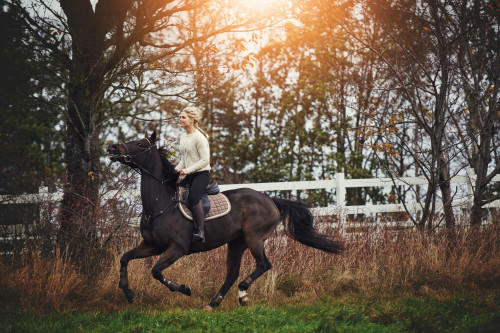
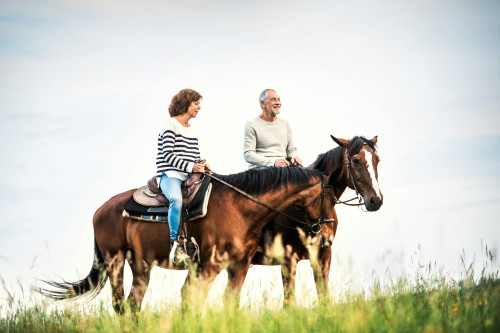
Modern horsemanship is about cooperation, not dominance. When you approach your horse as a partner rather than a subordinate, the dynamic changes. You become a calm, consistent leader who guides rather than forces.
A true partnership is built on mutual respect. That means listening to your horse while also setting clear, fair expectations. Over time, your horse will begin to offer cooperation willingly—because it trusts you.
Training with Care Leads to Lasting Joy
Respecting your horse’s physical and mental limits isn’t a sign of weakness—it’s a mark of wisdom and compassion. A horse that feels safe, healthy, and understood will give its best and grow with enthusiasm. Training with care is ultimately about building a partnership where both horse and rider thrive—together.
Læs også: