Stay in Shape This Winter: How to Train for Next Water Ski Season

Stay in Shape This Winter: How to Train for Next Water Ski Season
When the lakes freeze over and the boats are stored away, it’s easy to let your water skis collect dust until spring. But if you want to hit the water strong and confident next season, winter is the perfect time to build strength, balance, and endurance. With the right off-season training, you can return to the water faster, stronger, and more in control than ever.
Build a Solid Strength Foundation
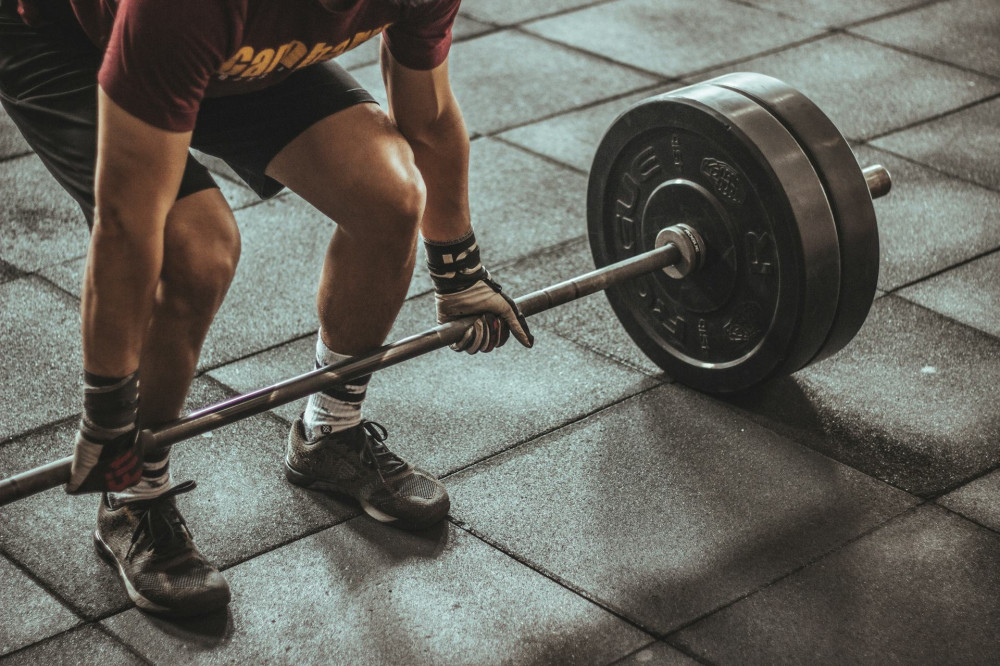
Water skiing demands explosive power from your legs, core, and upper body. Winter is your chance to focus on building that foundation. You don’t need a fancy gym setup—many effective exercises can be done at home with minimal equipment.
- Legs and hips: Squats, lunges, and step-ups strengthen the muscles that help you stay balanced and drive out of the water.
- Core: Planks, Russian twists, and leg raises improve stability and control when you’re carving through turns.
- Upper body: Pull-ups, rows, and shoulder presses build the pulling power you need to hold the rope and maintain form.
Aim for two to three strength sessions per week, focusing on proper technique rather than heavy weights. Good form reduces injury risk and helps you move more efficiently when you’re back on the water.
Læs også:

Train Your Balance and Coordination
A great water skier isn’t just strong—they’re balanced and agile. Winter is the ideal time to sharpen those skills.
- Balance board or BOSU ball: Mimics the unstable surface of the water.
- Yoga or Pilates: Improves flexibility, balance, and body awareness.
- Single-leg exercises: Moves like single-leg deadlifts or pistol squats challenge your stability and strengthen supporting muscles.
Even 10 minutes of balance work a few times a week can make a noticeable difference when you’re back behind the boat.
Keep Your Cardio Up
While water skiing involves short bursts of effort, a solid aerobic base helps you recover faster between runs and stay energized all day.
- Running or cycling: Builds endurance and leg strength.
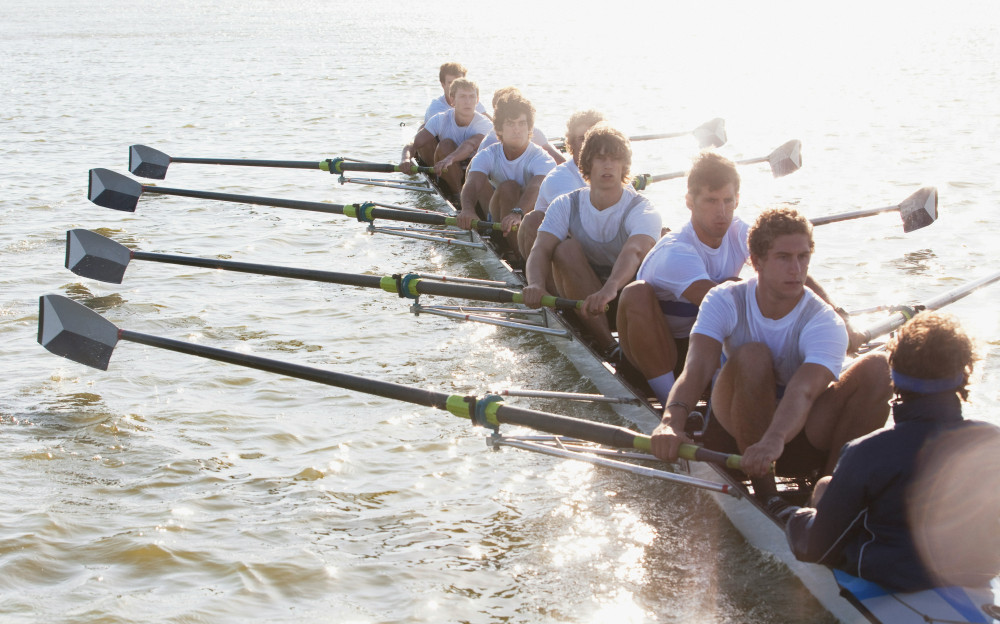
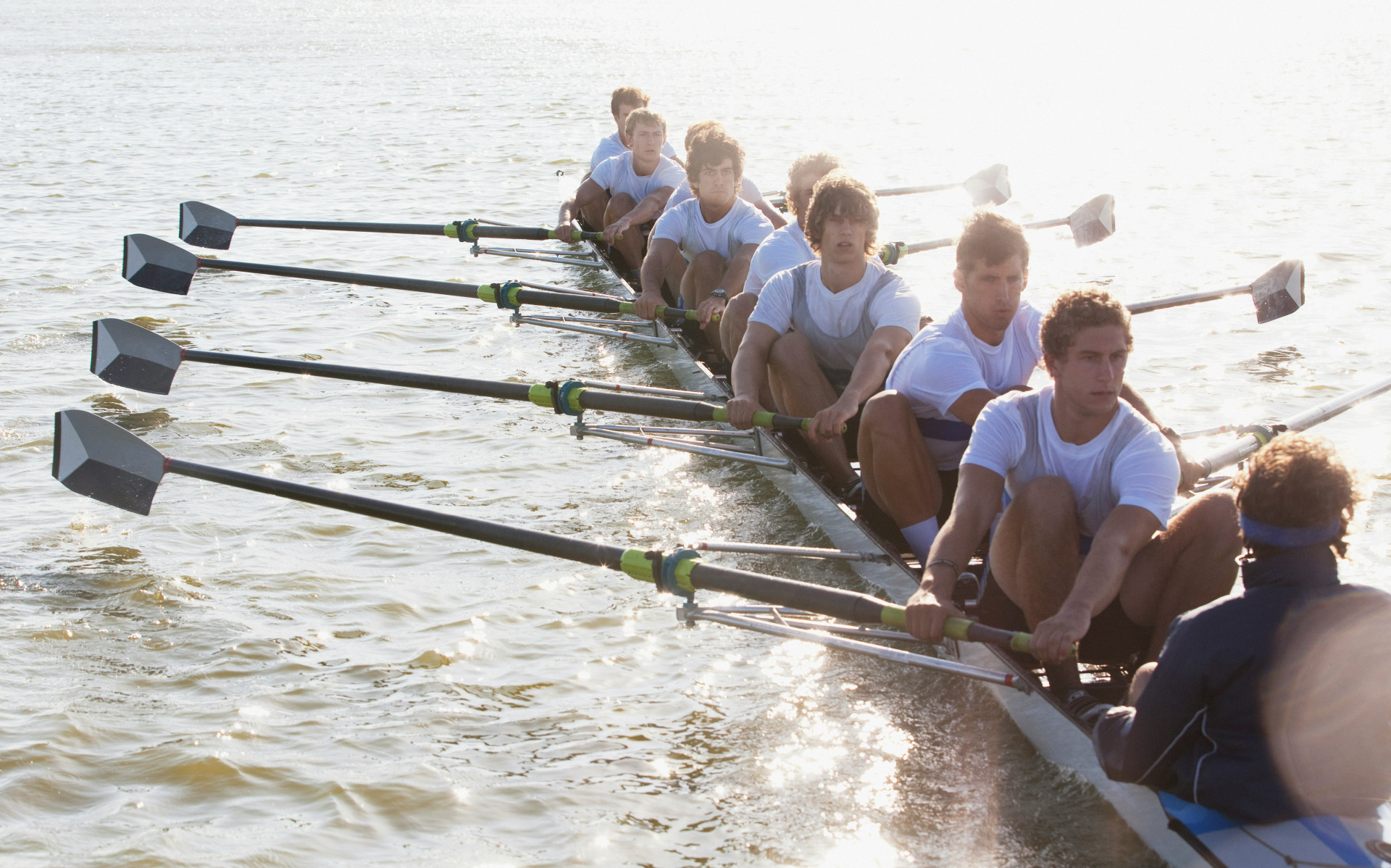
- Rowing or swimming: Mimics the pulling motion of skiing and strengthens your upper body and core.
- Interval training: Short, intense bursts of effort replicate the demands of skiing and improve your explosive power.
Mix two to three cardio sessions per week with your strength training for a well-rounded program.
Don’t Forget Flexibility and Mobility
Flexibility is often overlooked, but it’s key to preventing injuries and improving technique. Tight hips, shoulders, or hamstrings can limit your range of motion and make it harder to move fluidly on the water.
Spend 10–15 minutes after each workout stretching or doing mobility drills. Focus on your hips, hamstrings, shoulders, and back. A flexible body reacts faster and moves more naturally when you’re skiing.
Mental Preparation and Visualization
Water skiing isn’t just physical—it’s mental. Use the off-season to strengthen your focus and confidence.
Visualize your starts, turns, and jumps. Picture how you’ll adjust your balance and respond to waves. Mental rehearsal helps reinforce muscle memory and builds confidence, so when you’re back on the water, your body already knows what to do.
Keep It Fun and Varied
Staying motivated through the winter can be tough, so make your training enjoyable. Work out with friends, join a class, or set small monthly goals. Variety keeps both your body and mind engaged.
You can also try related sports that challenge similar skills—indoor rock climbing, ice skating, or even wakeboarding at an indoor cable park. These activities keep your balance and coordination sharp while adding some excitement to your routine.
Ready for Spring
When the ice melts and the boats hit the water again, you’ll feel the difference. A winter of focused training means more control, more power, and more endurance—making your return to the lake smoother and more rewarding.
So don’t let winter slow you down. Use it as your secret training season—the time when next summer’s best rides truly begin.
Læs også: