Combine Kayaking with Other Workouts for a Well-Rounded and Effective Training Routine

Combine Kayaking with Other Workouts for a Well-Rounded and Effective Training Routine
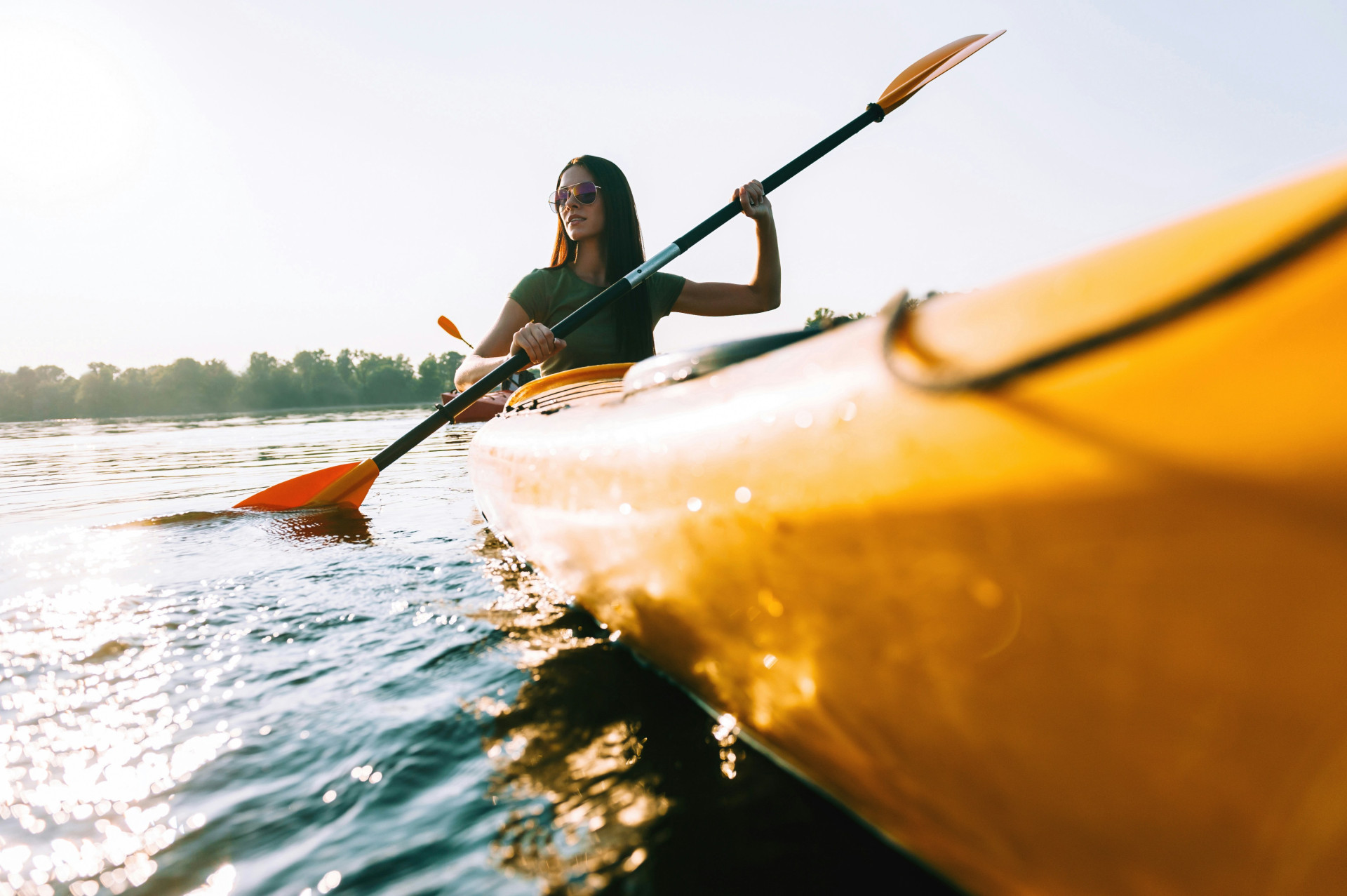
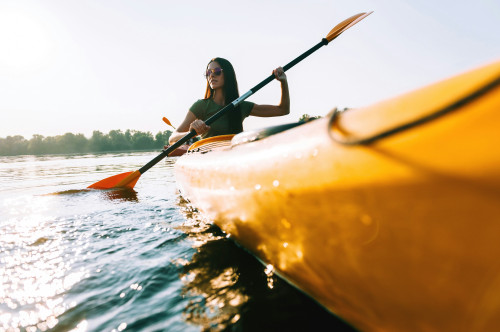
Kayaking is an incredible way to enjoy the outdoors, get fresh air, and strengthen both body and mind. While paddling offers a full-body workout, you can gain even more by combining it with other forms of exercise. Mixing up your training adds variety, prevents injuries, and improves your performance on the water. Here’s how you can build a balanced and effective fitness routine around kayaking.
Why Combine Kayaking with Other Workouts?
Kayaking primarily targets the upper body—shoulders, back, arms, and core—but your legs and cardiovascular system also play key roles. If you only paddle, you risk overusing certain muscles while neglecting others. By adding different types of training, you can:
- Boost endurance, allowing you to paddle longer without fatigue.
- Improve stability, which enhances your balance in the kayak.
- Prevent injuries, especially in the shoulders and lower back.
- Add variety, keeping your workouts engaging and motivating.
Strength Training – The Foundation for Power and Control
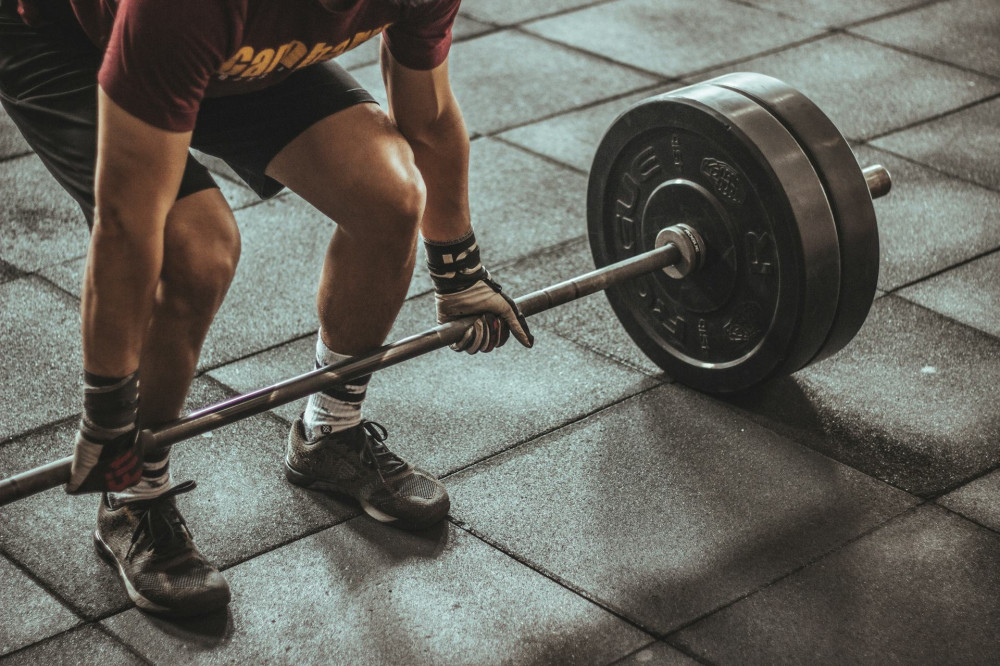
Strength training is a perfect complement to kayaking. It helps you generate more power with each stroke and strengthens the muscles that stabilize your body.
Focus on functional exercises that mimic paddling movements:
- Cable or resistance band rows – strengthen your back and arms.
- Planks and side planks – build a strong core for better balance.
- Squats and lunges – develop leg strength to support your posture and stability.
- Shoulder presses and face pulls – improve posture and reduce the risk of overuse injuries.
Aim for one to two strength sessions per week, using moderate weights and prioritizing proper form over heavy loads.
Cardio Training – For Greater Endurance on the Water
Although kayaking itself is a great cardiovascular workout, adding other endurance activities challenges your heart and lungs in new ways. This helps you recover faster and perform better during long paddles.
- Running or cycling – build cardiovascular fitness and leg strength.
- Swimming – low-impact and excellent for both endurance and upper-body conditioning.
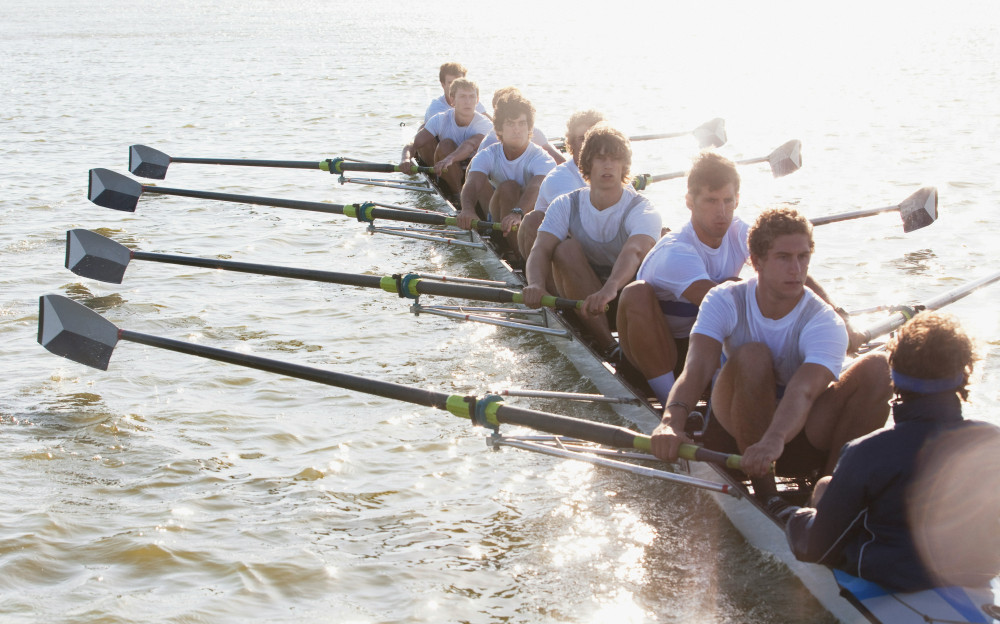
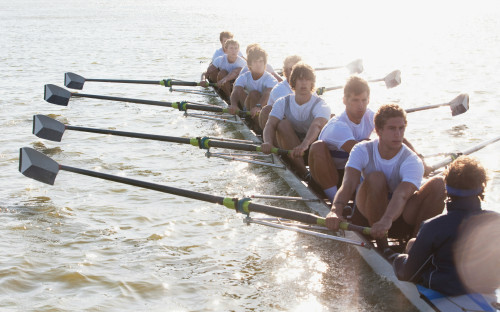
- Rowing machine workouts – closely mimic paddling movements without wind or waves.
One or two cardio sessions of 30–60 minutes per week can make a noticeable difference, especially if you’re preparing for long-distance trips or races.
Flexibility and Mobility – The Key to Technique and Injury Prevention
A flexible body moves more efficiently and with less risk of injury. Kayaking requires good mobility in the shoulders, hips, and spine, so it’s worth dedicating time to flexibility training.
- Yoga or Pilates – strengthen your core and improve flexibility.
- Dynamic stretches – such as torso rotations and hip openers before paddling.
- Post-paddle stretching – helps muscles recover and maintain range of motion.
Just 10–15 minutes of mobility work a few times a week can greatly improve your comfort and technique on the water.
Mental Training – Calm Mind, Smooth Paddling
Kayaking isn’t only about physical strength. The ability to stay focused, calm, and responsive to changing conditions is just as important. Mindfulness, breathing exercises, or meditation can help you stay present and mentally sharp—both on the water and in daily life.
Many paddlers find that mental training enhances concentration and helps them handle challenges like wind, waves, and fatigue with greater ease.
Læs også:
How to Structure Your Week
A balanced weekly routine might look like this:
- Monday: Strength training (focus on core and back)
- Tuesday: Kayaking – technique and interval paddling
- Wednesday: Rest or light yoga
- Thursday: Cardio workout (running or cycling)
- Friday: Kayaking – longer, steady-paced paddle
- Saturday: Mobility and stretching
- Sunday: Active recovery – such as a walk or swim
Adjust the plan to fit your fitness level, schedule, and goals. The key is to keep your training varied and listen to your body.
A Stronger, More Balanced Paddler
By combining kayaking with strength, cardio, flexibility, and mental training, you’ll not only see better results but also build a healthier, more resilient body. You’ll paddle farther, with better technique and greater enjoyment.
So next time you set down your paddle, remember: the best kayaking training doesn’t happen only on the water—it happens in every part of your active lifestyle.
Læs også: