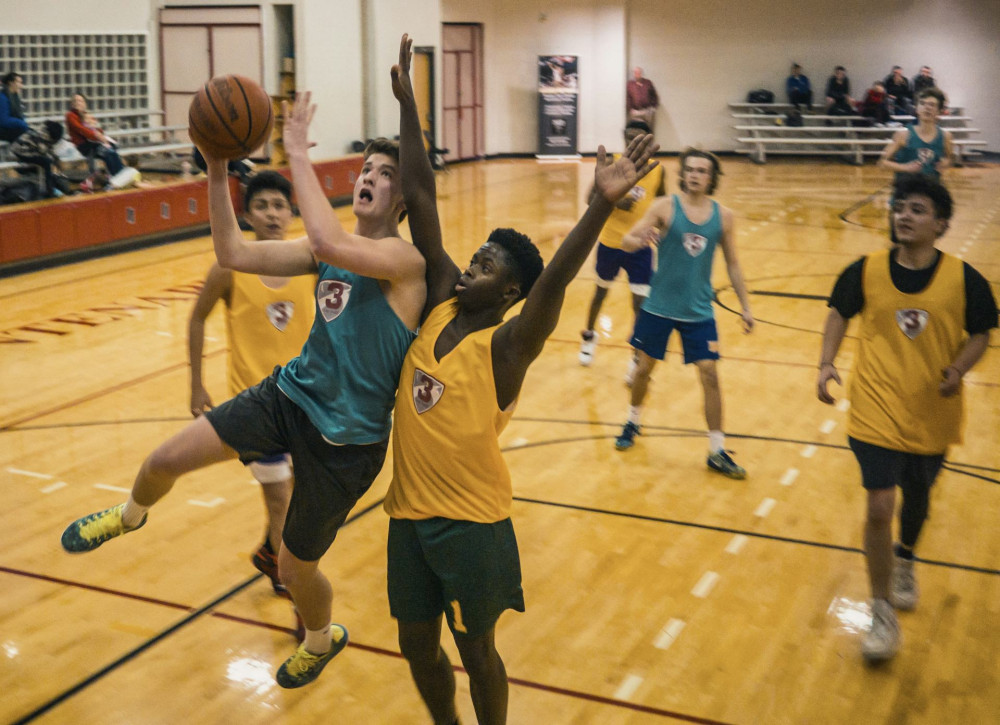
Rebuilding Team Spirit After Setbacks – Step by Step

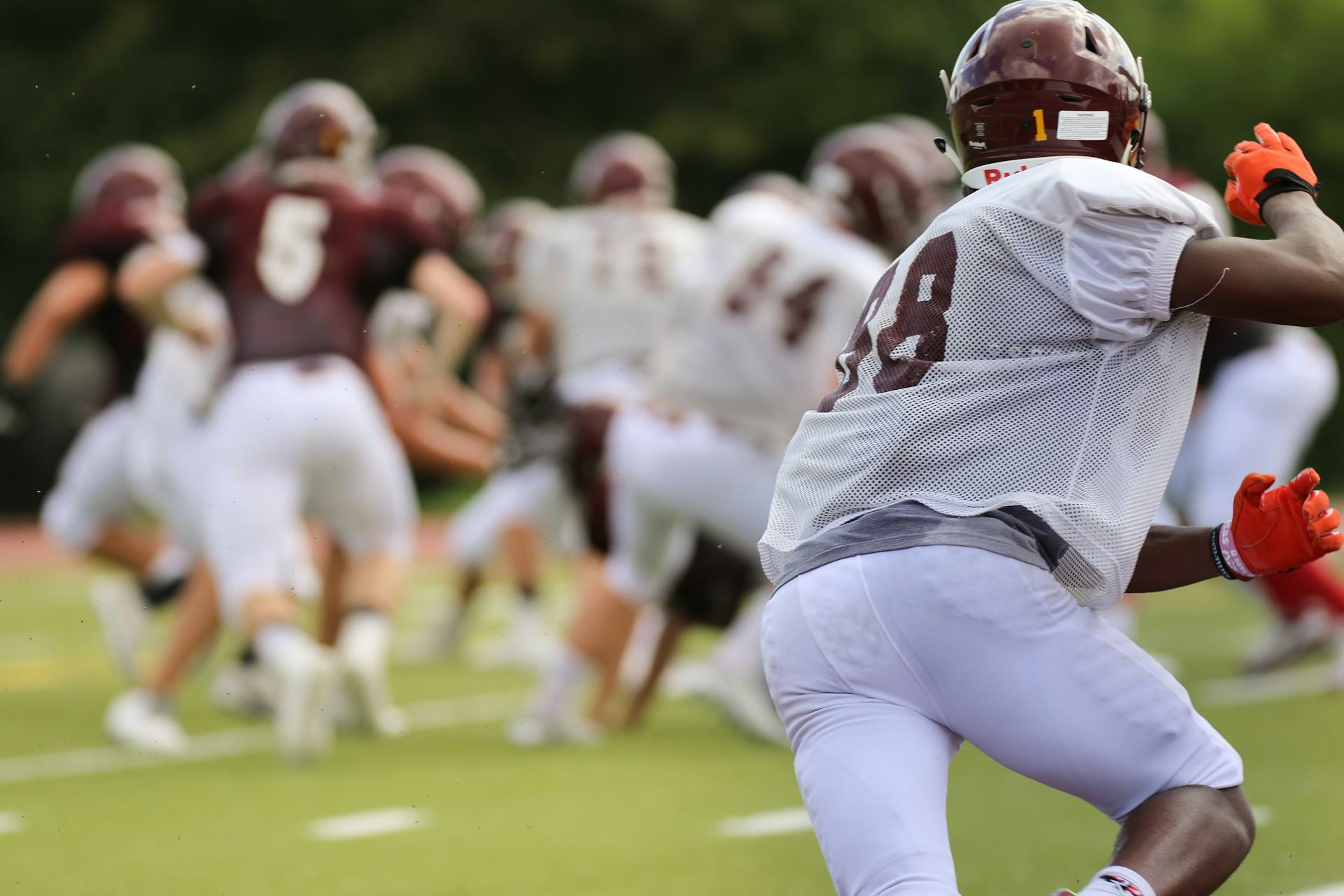
Rebuilding Team Spirit After Setbacks – Step by Step
When a team has gone through a rough patch—whether it’s a losing streak, internal tension, or a dip in motivation—it can feel like the sense of unity has disappeared. But team spirit isn’t gone for good. With patience and intention, it can be rebuilt. Here’s a step-by-step guide to help coaches, managers, and teammates restore trust, energy, and a shared sense of purpose.
Step 1: Acknowledge the setback—and talk about it
The first step is to face the setback honestly. Many teams try to “move on” without addressing what went wrong, but that often leaves confusion and frustration unresolved. Create space for an open conversation where everyone can share their perspective.
As a leader, set the tone: be transparent but constructive. Focus on lessons learned rather than assigning blame. When people feel heard and understood, it becomes easier to let go of the past and look forward together.
Step 2: Rebuild trust
Trust is the foundation of any strong team. After a tough period, it can be fragile—especially if emotions have run high. Start small: create opportunities for team members to succeed together again.
This might mean collaborative exercises, team-building activities outside of work or practice, or shared goals that emphasize effort and support rather than outcomes. When teammates experience reliability and encouragement from one another, trust begins to grow again.
Step 3: Set new, realistic goals
After setbacks, it’s tempting to aim high to “prove something.” But overly ambitious goals can lead to renewed disappointment. Instead, set achievable, measurable milestones that allow the team to celebrate progress along the way.
Good goals might include improving communication, increasing participation, or strengthening collaboration. Each small success builds confidence and reinforces the belief that the team can move forward together.
Step 4: Create a culture of shared responsibility
Team spirit isn’t just about getting along—it’s about accountability and mutual respect. Make it clear that everyone contributes to the group’s success, regardless of role or seniority. Small actions matter: showing up on time, supporting a struggling teammate, or offering encouragement during tough moments.
Leaders can reinforce this culture by recognizing effort and teamwork, not just results. When responsibility and respect become shared values, the team’s unity deepens.
Step 5: Rediscover the joy
After a difficult stretch, the game—or the work—can start to feel like an obligation. That’s why it’s essential to bring back the fun. Incorporate sessions focused on creativity, play, and enjoyment. Mix up routines, try new drills, or organize lighthearted competitions.
Joy is contagious. When laughter and enthusiasm return, motivation follows. A team that enjoys being together performs better together.
Step 6: Celebrate progress—big and small
Team spirit thrives when people see that their efforts make a difference. Celebrate small wins: a strong performance, improved communication, or simply a week of positive energy. Recognition doesn’t have to be elaborate—a shout-out in a meeting, a shared meal, or a post on the team’s group chat can go a long way.
Celebrations remind everyone that progress is happening and that the team’s bond is worth nurturing.
Step 7: Keep the new habits alive
Once the team spirit starts to return, don’t let it fade. Continue to prioritize communication, shared responsibility, and enjoyment—even when results improve. Establish routines that keep the connection strong: regular check-ins, team gatherings, or reflection sessions.
By maintaining these habits, team spirit becomes more than a recovery—it becomes part of the team’s identity.
Læs også:

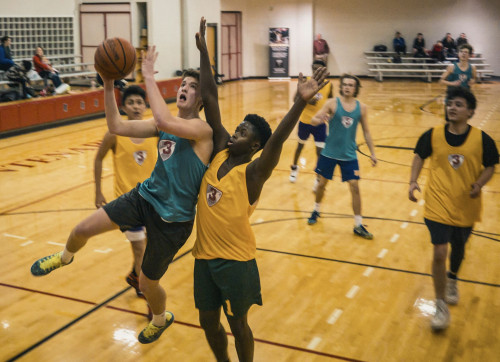
A new beginning—stronger than before
Setbacks can feel discouraging, but they also offer a chance to grow. When a team works through challenges together and finds its way back to trust and unity, it often emerges stronger than ever. Rebuilding team spirit isn’t just about bouncing back—it’s about building a foundation of resilience, respect, and shared purpose that lasts.
Læs også: