Elite Sports and Identity: When Sport Brings Culture and Community Together

Elite Sports and Identity: When Sport Brings Culture and Community Together
When thousands of fans gather in stadiums, arenas, or living rooms across the country, it’s about more than just the game. Elite sports have become a cultural meeting point where emotion, identity, and community merge. Whether it’s football, basketball, or track and field, sports reflect who we are as a society – and serve as a space where we find meaning, belonging, and pride.
Sport as a Cultural Community
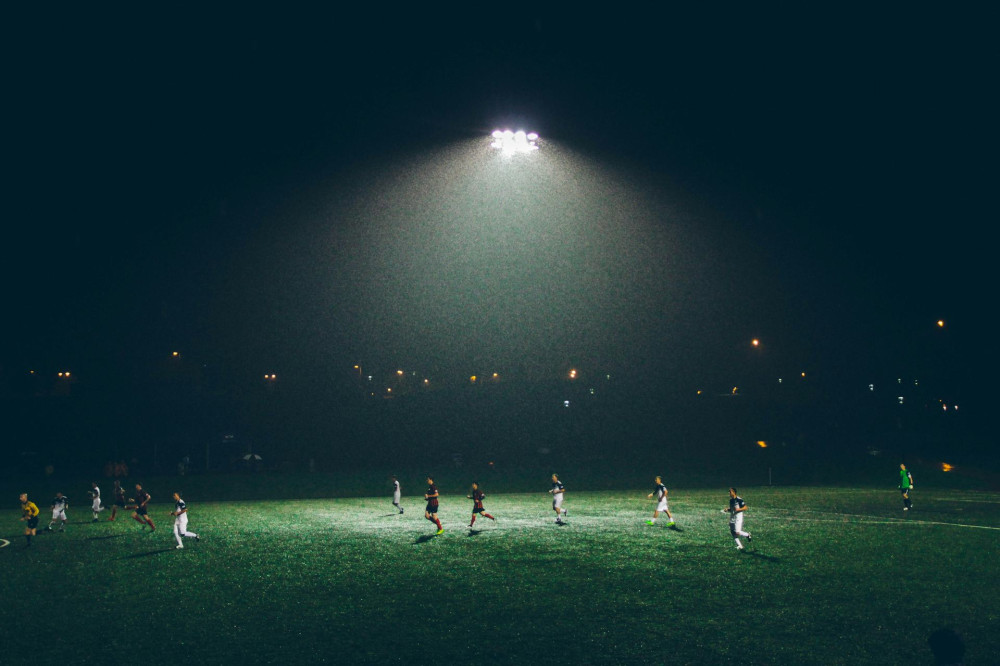
Sports have a unique power to bring people together across age, gender, and background. When the U.S. women’s soccer team takes the field, or when a local high school team makes a playoff run, a sense of unity emerges that transcends the moment. Flags, chants, and rituals become symbols of something larger – a shared identity that is both local and national.
For many Americans, sports are a way to express who they are. A team jersey or cap isn’t just clothing; it’s a statement of belonging. It says, “This is my team, my community.” In an era marked by digital distance and social fragmentation, the collective experience of sports offers a rare sense of connection.
Heroes, Role Models, and National Symbols
Elite athletes play a central role in shaping collective identity. When Simone Biles redefines what’s possible in gymnastics, or when LeBron James leads his team to victory, they become more than athletes – they become symbols of perseverance, excellence, and shared values. Their stories of triumph and struggle mirror the broader American narrative of ambition and resilience.
At the same time, sports stars serve as role models, especially for young people. They show that success comes from dedication and hard work, but also that setbacks are part of the journey. In this way, elite sports tell deeply human stories – stories of courage, vulnerability, and growth.
Local Roots and Global Reach
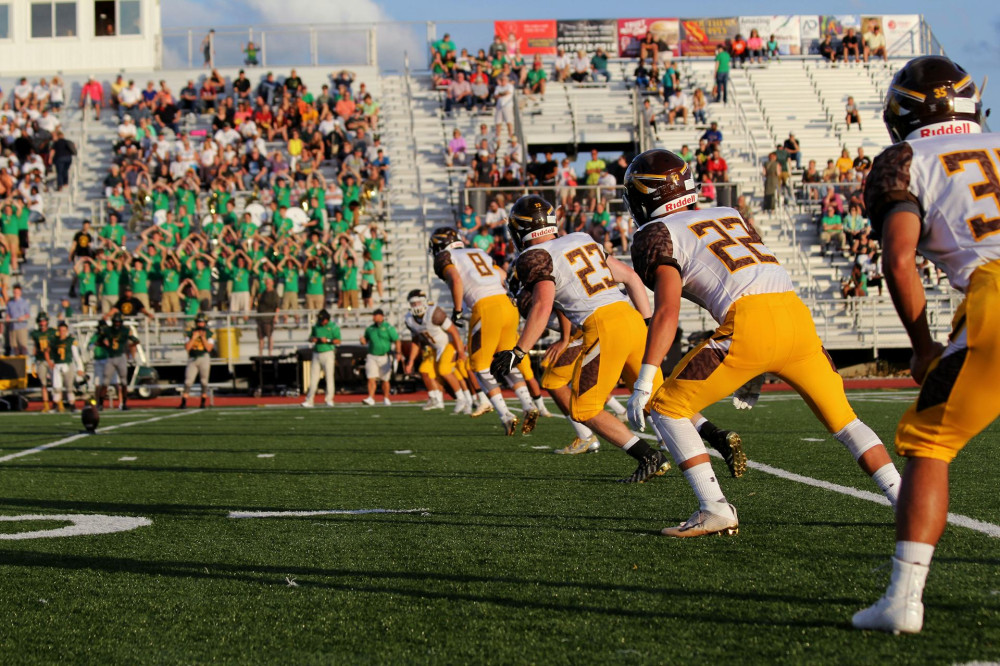
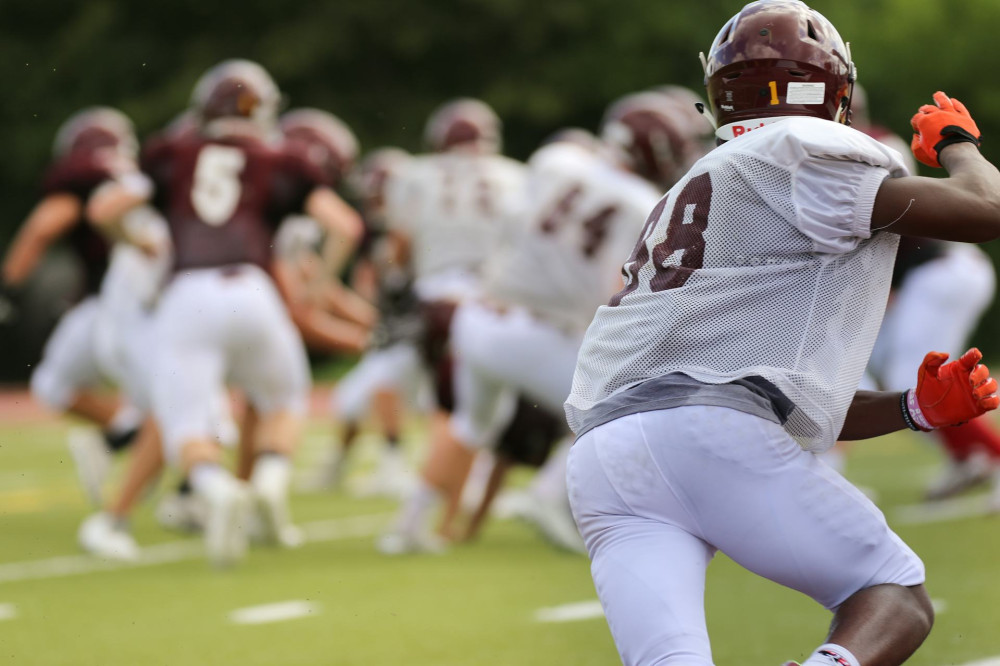
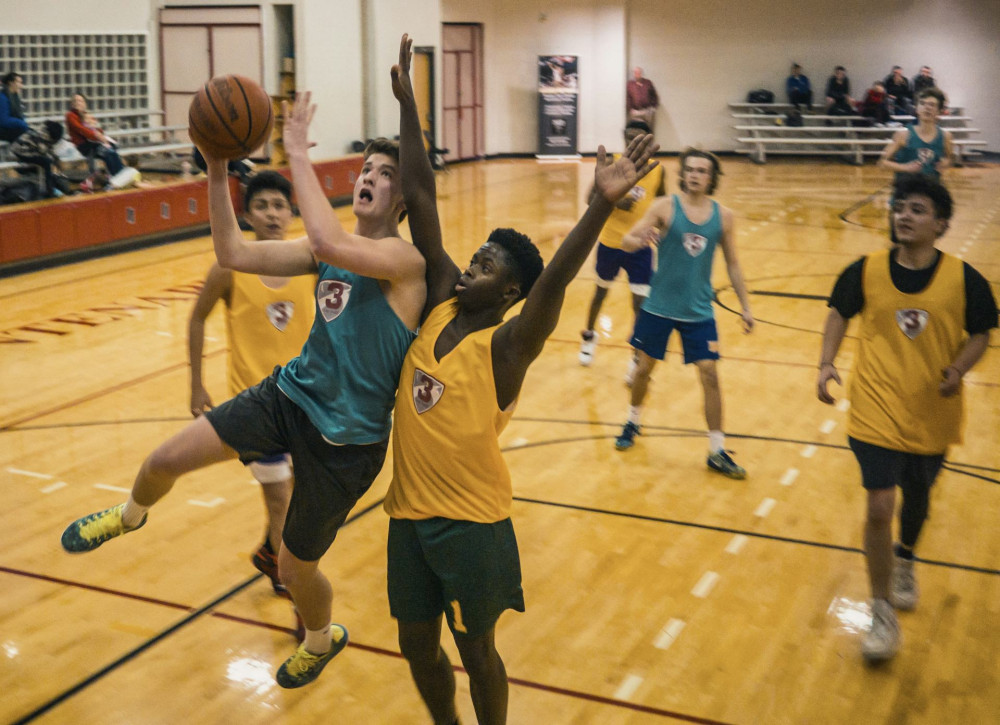
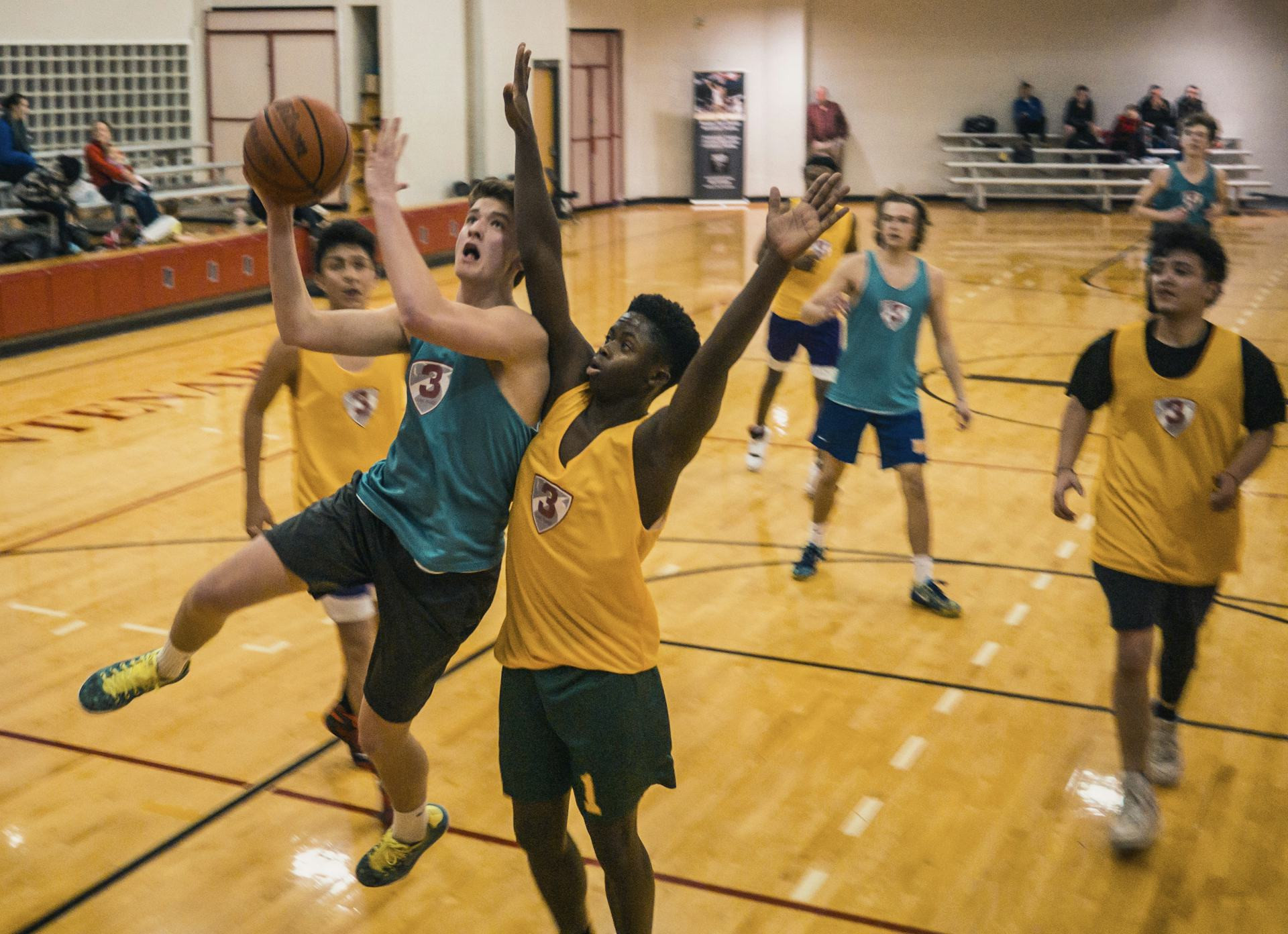
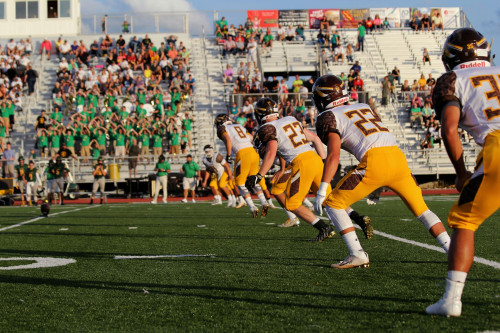
While elite sports often unfold on grand stages, their roots run deep in local communities. From youth leagues to college programs, sports serve as social hubs where volunteers, fans, and players build lasting bonds. Friday night football games or community basketball tournaments are as much about togetherness as they are about competition.
Yet sports are also global. American fans follow international soccer clubs, and athletes from around the world compete in U.S. leagues. Social media allows fans to connect across continents, creating a new kind of identity – one that blends local pride with global belonging.
When Sport Becomes Culture and Politics
Elite sports are not just entertainment; they are part of the cultural and political conversation. Major events like the Super Bowl or the Olympics often become stages for national expression, diplomacy, and social commentary. Issues such as gender equality, racial justice, and mental health have all found a voice through sports.
When athletes use their platforms to speak out – whether by taking a knee, sharing personal struggles, or advocating for inclusion – they remind us that sports can be a force for change. The playing field becomes a space for reflection, dialogue, and progress.
Læs også:

The Power of Community – and the Future of Sport
In a time of polarization and uncertainty, elite sports still have a remarkable ability to unite. They create moments when differences fade and we stand together, cheering for something bigger than ourselves. That is the true cultural power of sport: its capacity to foster belonging, hope, and shared identity.
The future of elite sports will not only be defined by records and championships, but by how they continue to build inclusive, inspiring communities. Because when sport brings us together, it reminds us of something essential – that we belong, not just as fans or citizens, but as people connected through a common passion.
Læs også: