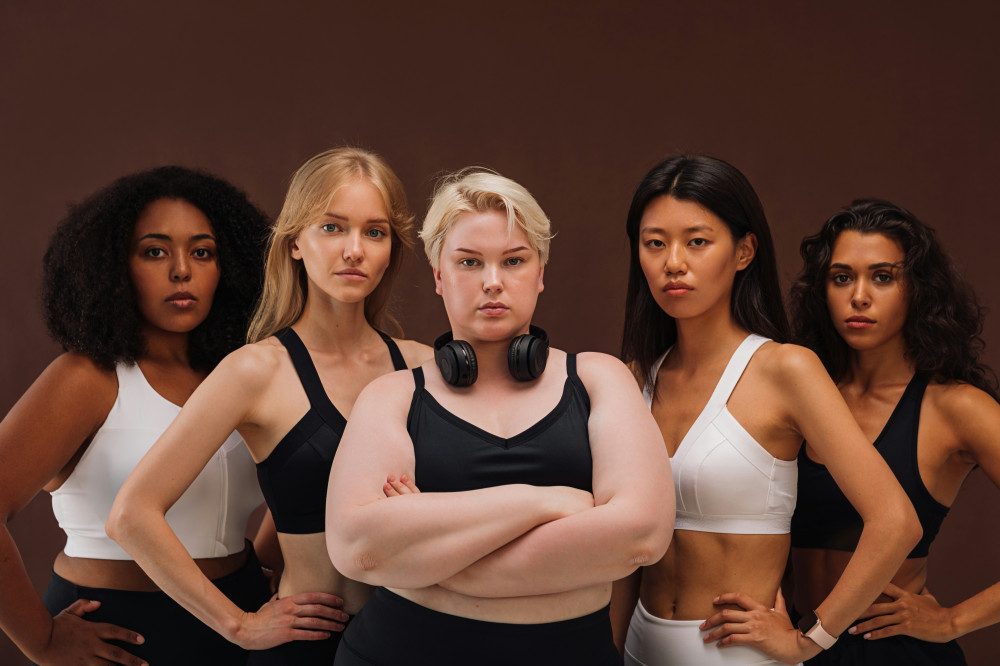
Cool Down and Stay Warm: How Temperature-Regulating Materials Work


Cool Down and Stay Warm: How Temperature-Regulating Materials Work
Have you ever wondered how a running shirt can keep you cool in the summer—or how a pair of thermal leggings can feel comfortable even when you start to sweat? The secret lies in temperature-regulating materials, which are increasingly used in sportswear, bedding, and everyday clothing. These fabrics help your body maintain a stable temperature, whether you’re active or at rest. But how do they actually work?
How the Body Manages Heat
Your body constantly works to maintain a core temperature around 98.6°F. When you move, your muscles generate heat, and your body tries to release the excess through sweat and blood circulation. When you’re cold, your blood vessels constrict to conserve warmth.
The problem arises when your clothing doesn’t cooperate. Traditional fabrics like cotton can trap moisture and make you feel clammy or chilled because they absorb sweat without letting it evaporate efficiently. That’s where temperature-regulating textiles make a difference.
The Technology Behind Smart Fibers
Temperature-regulating materials respond to changes in body and environmental temperature. There are several technologies behind them, but the most common rely on three main principles:
-
Phase Change Materials (PCM) – These fabrics contain microscopic capsules filled with wax or gel that can shift between solid and liquid states. When your body heats up, the capsules absorb excess heat and melt; when it cools down, they release that stored warmth. The result is a steady, balanced temperature close to your skin.
-
Moisture-Wicking Fibers – Materials like merino wool, bamboo, and synthetic microfibers pull moisture away from your skin and move it to the outer layer of the fabric, where it can evaporate. This keeps you dry and prevents that post-workout chill.
-
Breathable Structures – Some textiles are woven or knitted to enhance airflow. This helps your body release heat when you’re active but still provides insulation when you slow down.
Læs også:




From Space Suits to Sportswear
The technology behind phase change materials was originally developed for NASA’s space suits, where astronauts needed to handle extreme temperature swings. Today, the same concept is used in everything from athletic apparel and bedding to shoes and gloves.
In sportswear, this means you can train longer and more comfortably because your body doesn’t have to work as hard to regulate its temperature. That can improve performance and reduce the risk of overheating or getting too cold.
Natural Materials with Smart Properties
While many temperature-regulating fabrics rely on advanced technology, some natural materials do the job on their own. Merino wool is a great example. Its fine fibers can absorb moisture without feeling wet and release heat as they become damp—a natural form of temperature control. That’s why merino is used in both winter base layers and lightweight summer shirts.
Silk and bamboo viscose have similar properties: they feel cool against the skin but also provide gentle insulation. Blending natural and technical fibers is becoming more popular because it combines comfort, performance, and sustainability.
How to Choose the Right Clothing
When shopping for activewear or everyday apparel, look for terms like “climate control,” “thermoregulating,” or “moisture management.” These indicate that the fabric is designed to help your body maintain a stable temperature.
- For intense workouts: choose lightweight, moisture-wicking fabrics that quickly move sweat away.
- For variable weather: go for a layered approach with a temperature-regulating mid-layer that adapts to changes.
- For everyday comfort: materials with PCM or natural fibers like merino wool keep you comfortable all day long.
The Future of Smart Textiles
Innovation in this field is moving fast. Researchers are developing fabrics that can actively respond to your body—opening microscopic vents when you heat up or adjusting insulation based on humidity. Some prototypes can even monitor skin temperature and adapt in real time.
That means the clothing of the future won’t just protect you from the elements—it will work with your body to create the perfect personal climate, whether you’re running, sleeping, or relaxing.
Comfort All Year Long
At the end of the day, temperature-regulating materials are all about comfort and well-being. They help your body stay balanced so you don’t overheat or get chilled unnecessarily. That makes them ideal for sports, work, travel, and everyday life—for anyone who wants clothing that’s as smart and adaptable as they are.
Læs også: