Comfort in Training: Small Choices That Make It Easier to Stay Consistent


Comfort in Training: Small Choices That Make It Easier to Stay Consistent
Getting started with exercise is one thing—sticking with it is another. For many people, the challenge isn’t motivation but discomfort: shoes that rub, clothes that cling, or equipment that just doesn’t feel right. Comfort in training isn’t about luxury; it’s about creating the conditions that make you want to keep going. Here’s how small, thoughtful choices can make a big difference.
Start with What You Have—But Make It Comfortable
You don’t need expensive gear to begin, but it’s worth paying attention to how your clothes and surroundings feel. If you’re too cold, too hot, or your feet hurt, your workout quickly becomes a battle against discomfort instead of something you look forward to.
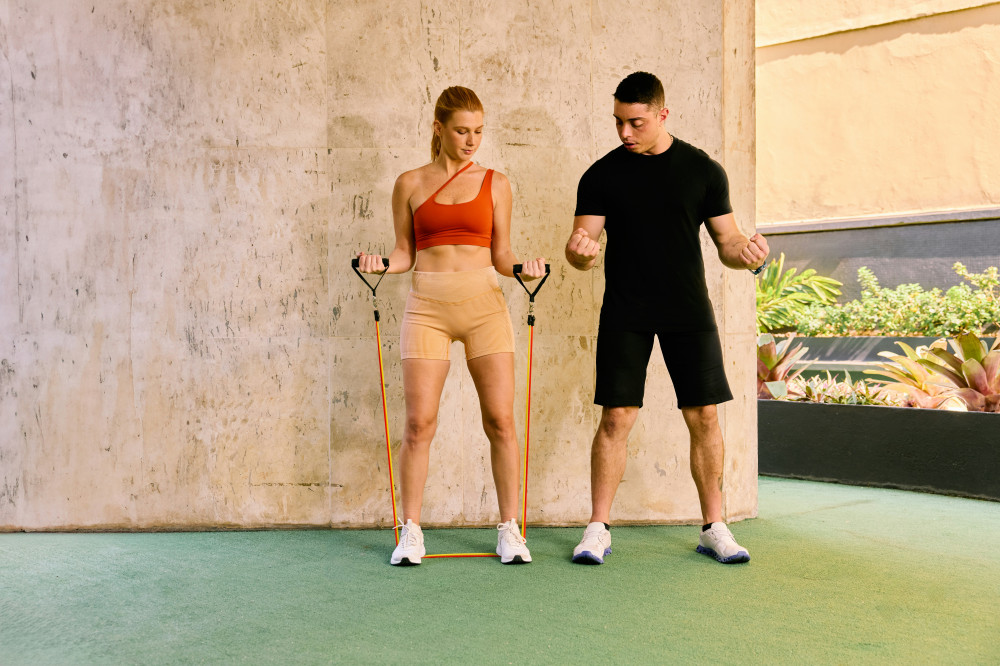
- Choose clothing that fits the activity. Running gear should be breathable and snug without being tight, while strength training clothes should allow free movement.
- Think in layers. A moisture-wicking base layer and a weather-appropriate outer layer can make outdoor workouts much more pleasant.
- Invest in good shoes. The right pair supports your feet and joints, reduces fatigue, and helps prevent injury. Visit a local running store or sports shop for a fitting—your feet will thank you.
When your body feels good, it’s easier to focus on movement and the satisfaction of using it.
Læs også:



Build a Routine That Feels Natural
Comfort isn’t just physical—it’s also about rhythm. If your workouts feel like an awkward addition to your day, it’s harder to stay consistent. Try to find times when you naturally have energy—maybe early morning before the day gets busy, or right after work before you unwind.
Create small rituals around your workouts: a cup of coffee before a run, your favorite playlist on the drive to the gym, or setting out your workout clothes the night before. These cues make it easier to start because your brain associates them with something familiar and positive.
Listen to Your Body—and Adjust as You Go
Many people lose motivation because they push too hard at the beginning. Comfort also means finding the balance between challenge and well-being. It’s normal for muscles to feel sore, but pain or persistent discomfort is a sign that something needs to change.
- Slow down if you’re getting winded too quickly.
- Switch exercises if something hurts.
- Take rest days—recovery is part of training, not a break from it.
When you learn to listen to your body, your workouts become more sustainable and less about forcing yourself through them.
Make Your Environment Inviting
Your surroundings can make or break your motivation. If you work out at home, make sure the space feels open, bright, and fresh. A yoga mat, a few plants, and some good lighting can transform a corner into a welcoming workout spot.
If you prefer the gym, choose one where you feel comfortable—both with the atmosphere and the people. Comfort also means feeling safe and supported, not self-conscious or out of place.
Small Rewards Keep Motivation High
Comfort isn’t only physical—it’s emotional, too. Set small, achievable goals and reward yourself when you reach them. The reward doesn’t have to be food or shopping; it could be a long shower, a favorite show, or a quiet moment with a book.
When your workouts are linked to positive feelings, it’s easier to keep going—even on days when the couch looks tempting.
Comfort as the Key to Consistency
It’s rarely the big decisions that determine whether you stick with training, but the small choices you make every day. A good pair of shoes, a comfortable shirt, a realistic schedule, and an environment you enjoy can be the difference between giving up and staying consistent.
Comfort isn’t laziness—it’s strategy. When you make movement easy and enjoyable, exercise becomes a natural part of your life instead of a chore you have to push yourself to do.
Læs også: