Structure Your Meals: How to Avoid Random Eating in a Busy Everyday Life

Structure Your Meals: How to Avoid Random Eating in a Busy Everyday Life
Between work deadlines, commuting, family responsibilities, and social commitments, meals can easily become an afterthought — a granola bar in the car, a drive-thru lunch, or dinner at 9 p.m. Random eating might feel convenient, but it often leads to energy crashes, overeating, and frustration. With a bit of planning, you can bring structure to your meals and eat more intentionally — even when life gets hectic.
Why Structure Matters
When you eat irregularly, your blood sugar levels fluctuate, leaving you tired and craving quick fixes like sugary snacks or fast food. A consistent meal rhythm helps stabilize your energy, reduce impulsive snacking, and ensure your body gets the nutrients it needs.
Structure isn’t about strict dieting — it’s about predictability. When you know when and what you’ll eat, it’s easier to make balanced choices and avoid last-minute temptations.
Start the Day with a Solid Foundation
Breakfast sets the tone for the rest of your day. Skipping it can make you hungrier later, leading to overeating or poor food choices. A good breakfast doesn’t have to be complicated — aim for a mix of carbohydrates, protein, and healthy fats.
Quick ideas:
- Oatmeal topped with fruit and nuts
- Greek yogurt with granola and berries
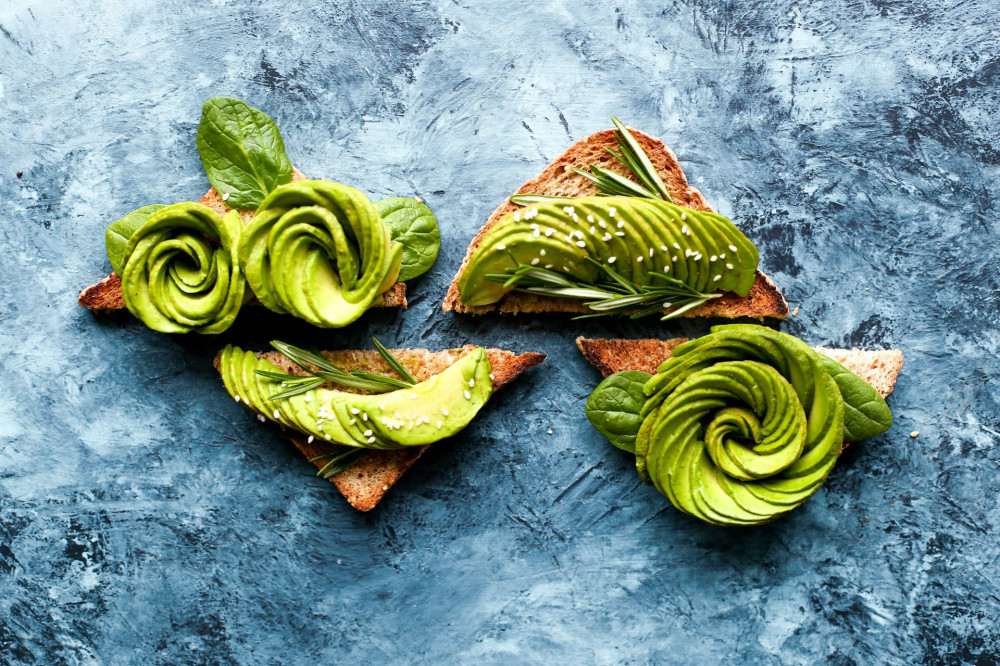
- Whole-grain toast with eggs and avocado
If you’re not hungry early, pack something to eat mid-morning, like a smoothie or a banana with a handful of almonds.
Plan Your Main Meals
Most people do best with three main meals a day: breakfast, lunch, and dinner. Planning them ahead of time helps you avoid the “what’s for dinner?” panic and the temptation to grab takeout. Spend a few minutes on Sunday mapping out your week — it doesn’t have to be fancy.
A few tips:
- Cook extra dinner portions to have leftovers for lunch.
- Keep staples like brown rice, beans, eggs, and frozen vegetables on hand.
- Prep ingredients in advance — chopped veggies or cooked grains make quick meals easier.
When you know what’s on the menu, you save time and mental energy during the week.
Læs også:
Smart Snacks with Purpose
Snacks can help keep your energy steady between meals, but they should serve a purpose — not just fill boredom or stress. Choose snacks that combine protein and fiber to keep you satisfied.
Good options include:
- A handful of nuts and an apple
- Veggie sticks with hummus
- Whole-grain crackers with cheese
- A small cup of Greek yogurt with fruit
Listen to your body — snack because you’re hungry, not just because food is nearby.
Build Consistent Routines
Eating at roughly the same times each day helps your body find its natural rhythm. Consistency makes it easier to stick to your plan and avoid random grazing.
Try these strategies:
- Set reminders on your phone for meal breaks.
- Take a real lunch break, even on busy days.
- Keep healthy snacks in your bag or desk drawer to avoid vending machine runs.
Small, repeated habits create lasting change.
Practice Mindful Eating
Even the best plan can fall apart if you eat on autopilot. Slow down, put your fork down between bites, and really taste your food. This helps you notice when you’re full and makes meals more satisfying.
Avoid eating in front of screens — it’s easy to lose track of how much you’ve eaten. Instead, treat mealtime as a short pause in your day to recharge.
When Life Gets Unpredictable
No matter how well you plan, some days will go off track — and that’s okay. The key is to have a backup plan for those moments.
Keep a few “emergency” options ready:
- A packed lunch or snack for long days on the go.
- A healthy frozen meal or homemade soup in the freezer.
- Protein bars or trail mix in your car or office.
That way, a busy schedule doesn’t have to mean random eating.
Structure Brings Freedom
Meal structure isn’t about control — it’s about freedom. When you know what and when you’ll eat, you free up mental space for everything else that matters.
Small steps — like planning your meals, eating mindfully, and keeping healthy options within reach — can make a big difference in your energy, focus, and overall well-being.
Læs også: