Rest as Learning: Get to Know Your Body During Breaks

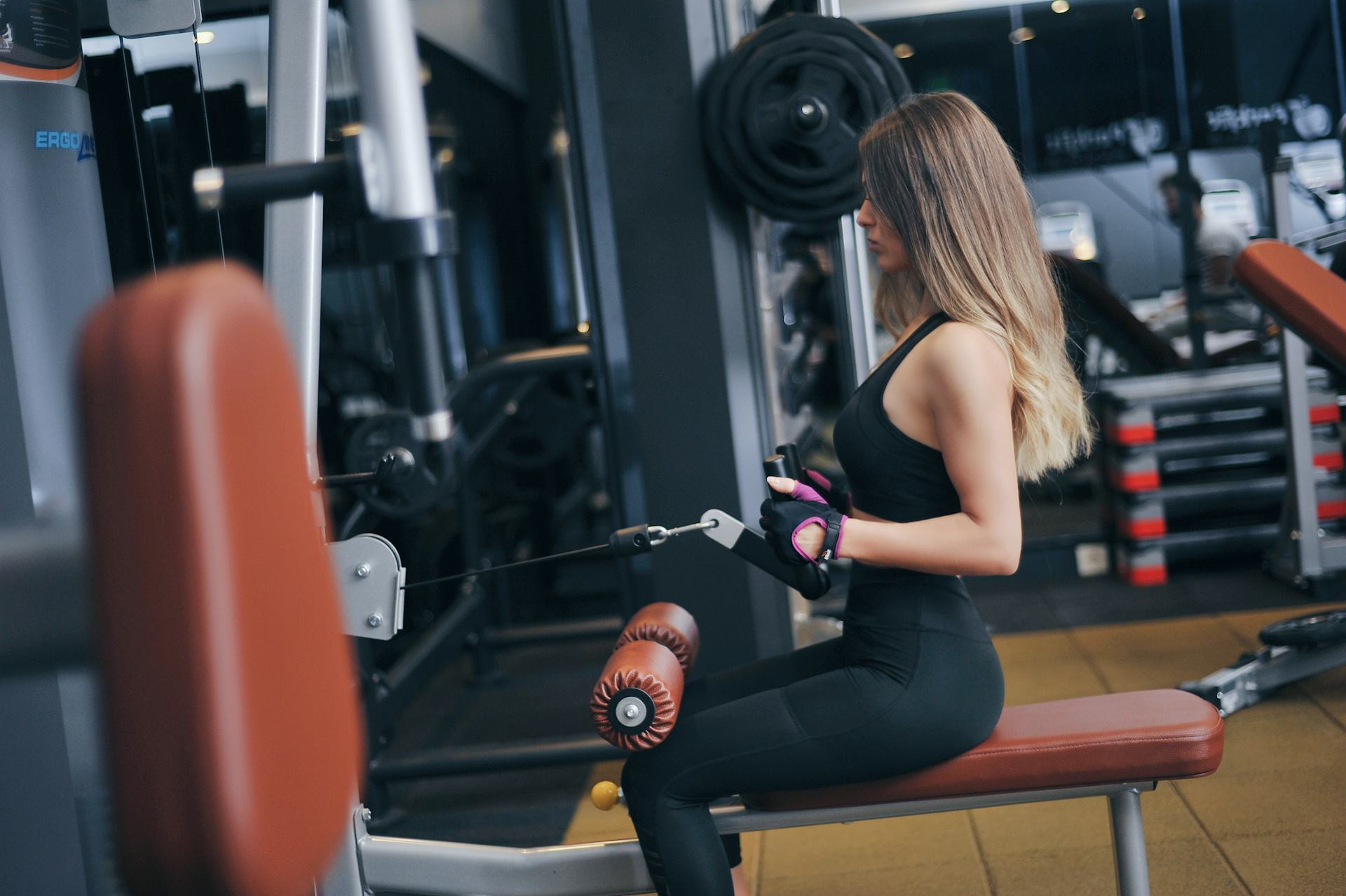
Rest as Learning: Get to Know Your Body During Breaks
In a culture that often celebrates hustle, intensity, and constant progress, rest can feel like a luxury—or even a weakness. But rest isn’t just the absence of effort; it’s an active part of learning about your body. When you give yourself time to recover, you create space to notice, understand, and adjust. It’s during these pauses that your body reveals how it responds to stress and where your balance between activity and recovery truly lies.
What Happens When You Rest?
Rest is more than lying on the couch. It’s a biological process in which your body rebuilds itself after physical or mental exertion. Muscle fibers repair, energy stores are replenished, and your nervous system returns to a calmer state. Meanwhile, your brain processes the movements and techniques you’ve practiced—a kind of “invisible learning” that happens while you’re off your feet.
Understanding what happens during rest helps you use your downtime more intentionally. Pay attention to your body’s signals: Are you feeling pleasantly tired, or are you drained and sluggish? That difference can tell you whether you’re recovering enough—or pushing too hard.
Active Recovery: Movement as Recharge
Rest doesn’t always mean complete stillness. In fact, gentle movement can help your body recover faster. This is called active recovery, and it can include light activities like walking, easy cycling, yoga, or stretching.
These movements increase blood flow without adding strain, helping to clear out waste products and deliver fresh oxygen and nutrients to your muscles. They also give you a chance to tune in to your body at a slower pace—a kind of moving reflection that helps you sense your limits and needs more clearly.
The Role of Sleep in Learning and Recovery
Sleep is the most underrated part of any training plan. During sleep, your body releases growth hormones that repair muscles and tissues, while your brain consolidates what you’ve learned. Both physical and mental progress depend on quality rest.
If you train hard but sleep poorly, you may actually slow your development. Think of sleep as an active part of your training, not just something that “happens.” Consistent bedtimes, a dark and cool room, and a calm pre-sleep routine are small but powerful steps toward better recovery.
Listen to Your Body’s Signals
Your body is always communicating—but we’re not always great at listening. Soreness, fatigue, restlessness, or lack of motivation can all be signs that you need a break. Instead of seeing these as setbacks, treat them as feedback. Your body is telling you where it stands and what it needs.
One helpful tool is keeping a training journal. Record not only what you do, but also how you feel before and after. Over time, patterns will emerge: When do you perform best? When do you recover fastest? That knowledge helps you plan smarter—not just harder.
Rest as Mental Learning
Rest isn’t only physical—it’s mental, too. Breaks give you time to reflect on your training, your goals, and your motivation. It’s often in these quiet moments that insight appears—when your mind finally has room to breathe.
Practices like mindfulness, meditation, or simply unplugging for a while can be part of your recovery. They help you notice how your body and mind interact, and how rest can restore balance in your daily life.
Læs også:
Make Rest Part of Your Training Culture
Instead of treating rest as something you have to “fit in,” make it a natural part of your training culture. Schedule rest days, prioritize sleep, and stay curious about how your body responds. It’s in the pauses that you grow stronger—physically and mentally.
When you learn to use rest as an active process, you don’t just become better at training. You become better at understanding yourself. And that may be the most valuable lesson of all.
Læs også: