From Tee to Green: How a Golf Course Is Designed

From Tee to Green: How a Golf Course Is Designed
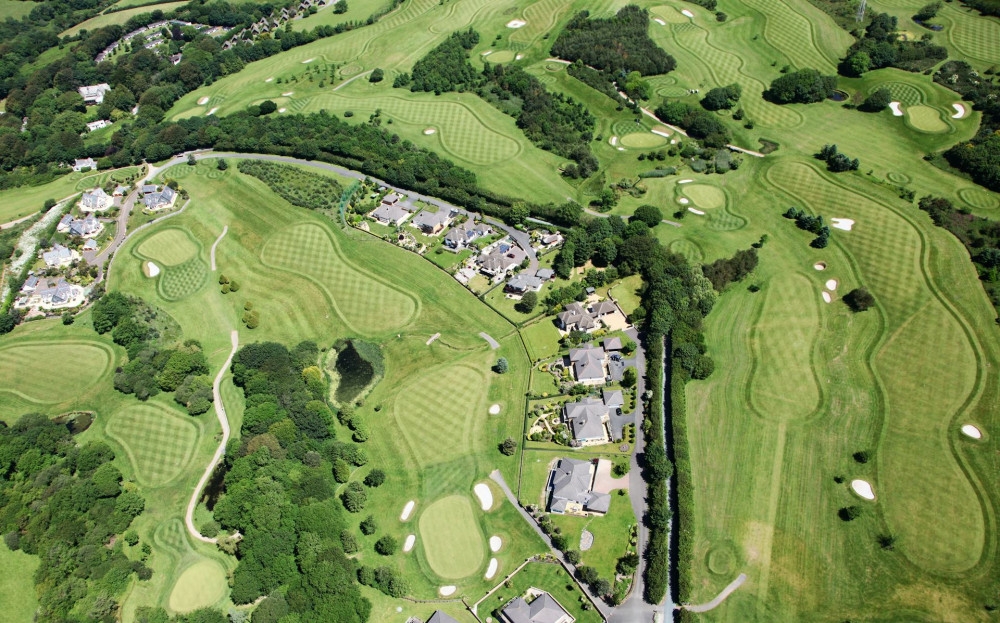
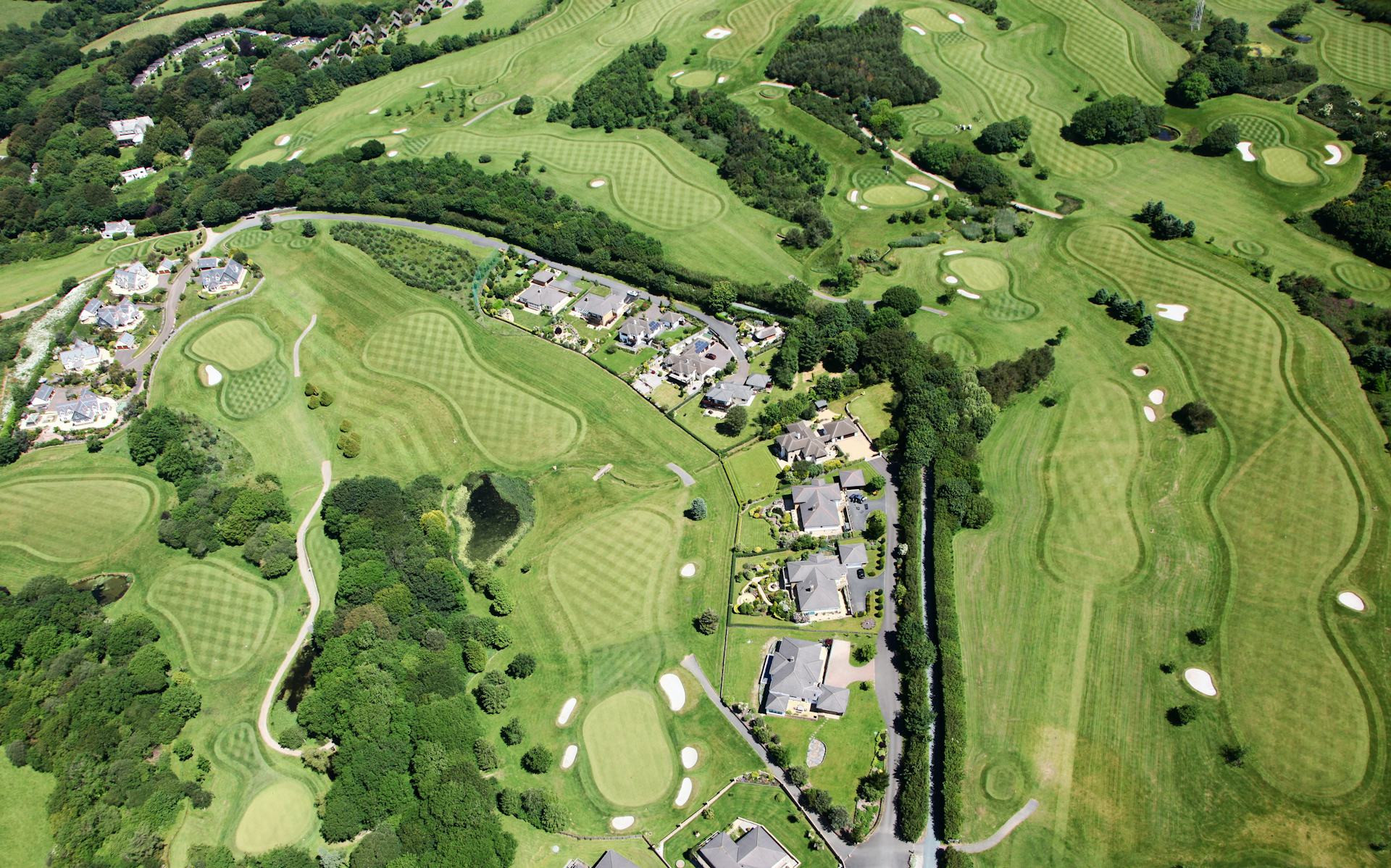
A golf course may look like a peaceful stretch of green dotted with flags and sand traps, but behind that calm exterior lies a carefully crafted design. Every course is shaped with a balance of playability, natural beauty, and challenge in mind. Here’s a look at how a golf course comes together – from the first drive on the tee to the final putt on the green.
The Tee Box – Where the Game Begins
Each hole starts on the tee box, a flat, closely mowed area where players take their first shot. Tee markers indicate where players of different skill levels should start – from championship tees for professionals to forward tees for beginners and juniors.
The placement of the tee box sets the tone for the hole. Course architects consider wind direction, elevation, and hazards to ensure that every hole offers a unique test. A well-positioned tee shot can make the rest of the hole much easier – or much harder.
The Fairway – The Path to the Green
After the tee shot, the goal is to land on the fairway, the short-cut grass that leads toward the green. The fairway provides the best lie for the next shot, allowing the ball to sit up nicely for clean contact.
Fairways vary in width and shape. Some are wide and forgiving, while others twist through trees or slope toward bunkers and water. The design encourages players to think strategically: Should you go for distance or play it safe for better positioning?
Læs også:



The Rough – Nature’s Challenge
Beyond the fairway lies the rough, where the grass is longer and the lies are tougher. Shots from the rough are more difficult to control, and the ball can easily disappear in thick grass. The rough serves as a natural penalty for inaccuracy and adds texture to the landscape.
Many American courses use native grasses and plants in the rough to promote sustainability and support local wildlife. This not only enhances the course’s character but also reduces maintenance and water use.
Bunkers – Sand Traps with Purpose
Bunkers, or sand traps, are among the most recognizable features of a golf course. They can guard the fairway landing zones or surround the green, forcing players to think carefully about shot placement.
Bunkers come in many shapes and depths. Some are shallow and sprawling, while others – especially on coastal or links-style courses – are deep with steep faces. For designers, bunkers are tools to create visual drama and strategic risk-reward decisions.
The Green – The Final Target
The green is the most finely maintained area on the course. The grass is cut extremely short to allow the ball to roll smoothly toward the hole. The contours and slopes of the green are carefully designed to make putting both challenging and rewarding.
The hole’s flagstick marks the target, and its position changes regularly to protect the turf and vary the difficulty. A well-designed green blends beauty, precision, and playability – and it’s often where a round is won or lost.
Water and Natural Hazards – Beauty with a Bite
Many courses incorporate lakes, ponds, and streams to add both visual appeal and strategic complexity. Water hazards force players to make choices: take the risk and go for the green, or play it safe and lay up?
Trees, native vegetation, and elevation changes also play key roles in shaping each hole’s personality. These natural elements connect the course to its environment and make every round a unique experience.
The Flow of the Course
A standard golf course has 18 holes, designed to create a rhythm that keeps the game engaging. Some holes are short and technical, others long and open. The architect arranges them to provide variety and balance – a mix of challenges that test every part of a golfer’s game.
Paths, landscaping, and scenic views tie the holes together, offering moments of rest and reflection between shots. A great course feels like a journey through nature as much as a test of skill.
From Design to Experience
Designing a golf course is an art that blends strategy, landscape architecture, and respect for the environment. Every feature – from tee to green – is planned to challenge players while showcasing the natural beauty of the land.
So the next time you step onto the tee, remember: each hole is more than just a stretch of grass. It’s a carefully crafted experience, designed to test your game, your patience, and your appreciation for the landscape around you.
Læs også: