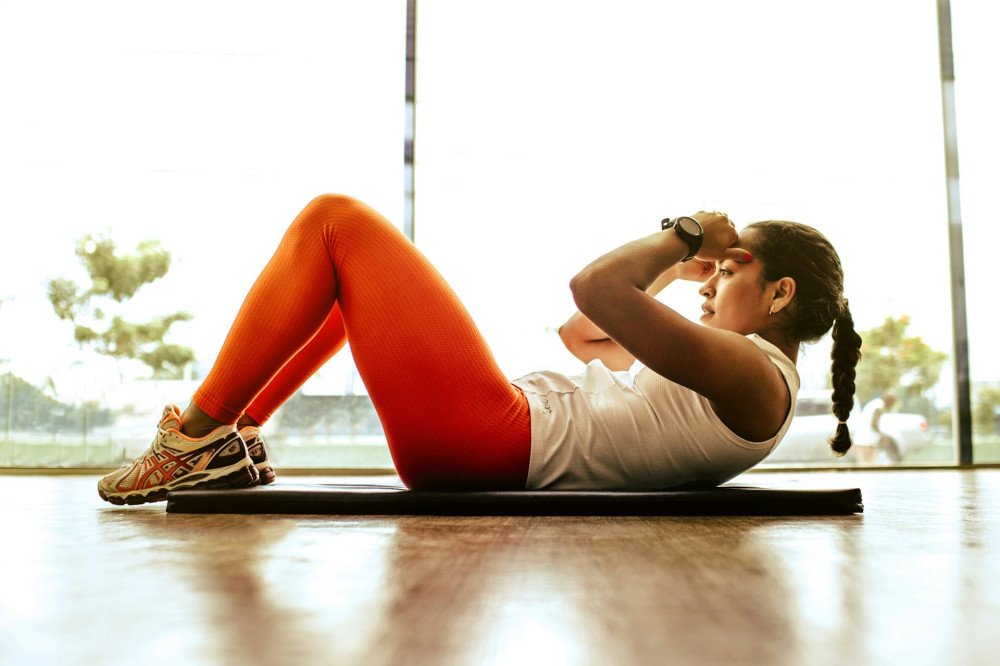
Find calm in your body: How stretching can reduce stress

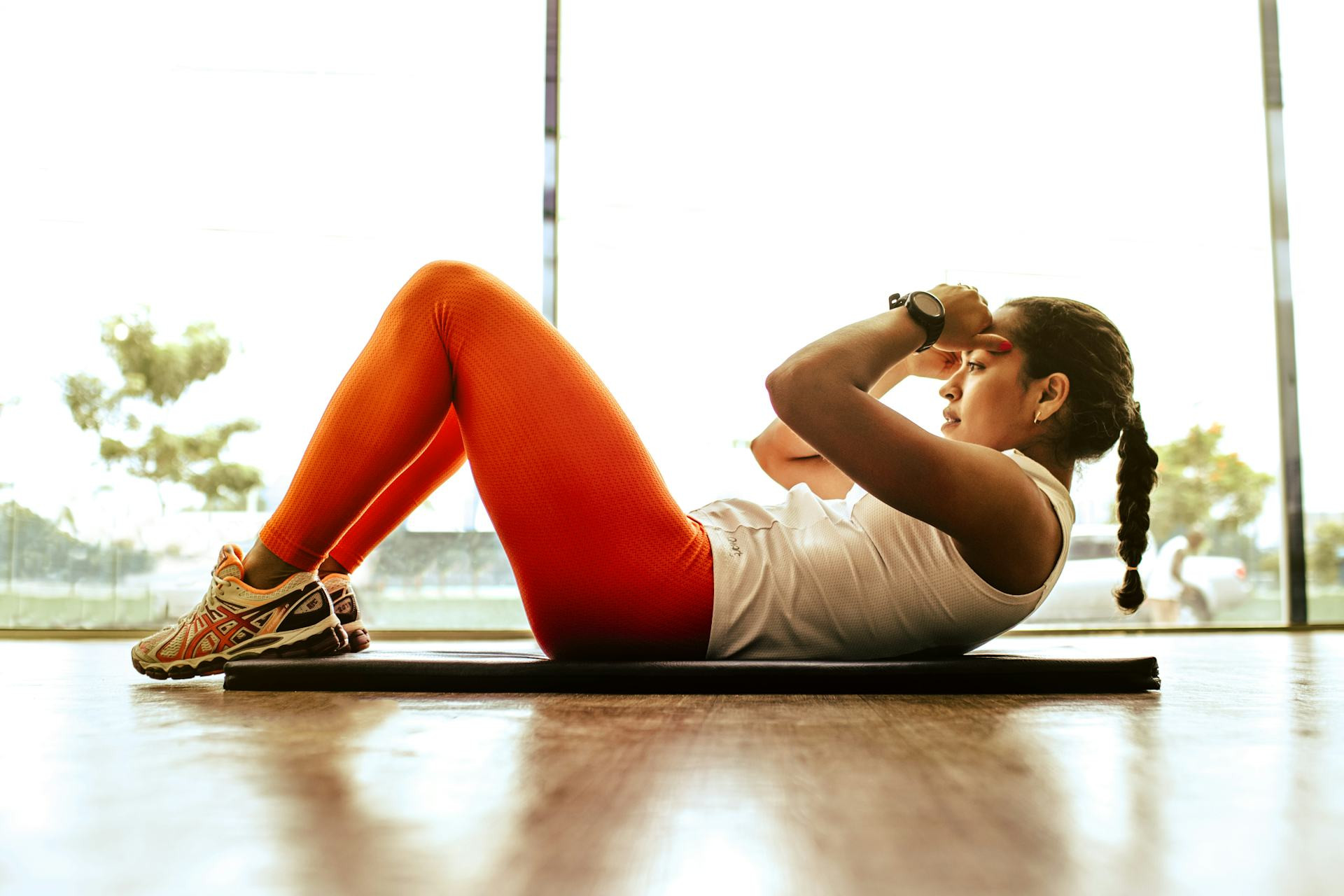
Find calm in your body: How stretching can reduce stress
In a world of packed schedules, constant notifications, and endless to-do lists, it’s easy for tension to build up in both body and mind. Many people think of stretching as something you do before or after a workout, but it can also be a simple and powerful way to ease stress and restore balance. When you stretch, you’re not just loosening muscles—you’re calming your nervous system and reconnecting with your body.
The body and mind connection
When we’re stressed, our bodies often react before we even notice. Shoulders creep up toward the ears, jaws tighten, and breathing becomes shallow. These physical responses are part of the body’s natural defense system, but over time they can lead to stiffness, fatigue, and discomfort. Stretching helps release that built-up tension and sends a signal to the brain that it’s safe to relax. This activates the parasympathetic nervous system—the part responsible for rest, digestion, and recovery.
Even a few minutes of gentle stretching can make a difference. The goal isn’t to push your limits, but to tune in to how your body feels.
How stretching helps reduce stress
Stretching supports relaxation on several levels:
- Muscles: Gentle movement increases flexibility and blood flow, helping to flush out waste products and ease tightness.
- Breathing: Slow, mindful stretching encourages deeper breaths, which lowers heart rate and promotes calm.
- Nervous system: The combination of slow movement and focused breathing helps quiet the body’s stress response.
It’s this blend of movement, awareness, and breath that makes stretching such an effective tool for stress relief.
Simple stretches to get started
You don’t need a gym membership or special equipment to begin. Here are three easy stretches you can do at home, at your desk, or anywhere you find a few quiet minutes:
- Neck stretch: Sit or stand tall. Let your head gently tilt to one side until you feel a stretch along the opposite side of your neck. Breathe slowly and hold for 20–30 seconds, then switch sides.
- Shoulder rolls: Lift your shoulders up toward your ears, then roll them slowly back and down. Repeat 5–10 times to release tension.
- Forward fold: Stand with knees slightly bent and hinge forward at the hips, letting your upper body hang. Relax your head and arms, and take a few deep breaths. This stretch releases the back and hamstrings while calming the mind.
Move slowly and focus on your breathing. It’s not about how far you can stretch—it’s about how it feels.
Build a routine that fits your life
To get the most benefit, consistency matters more than duration. Just five to ten minutes a day can make a noticeable difference. Some people like to stretch in the morning to wake up the body, while others prefer to unwind with a few stretches before bed.
You can also combine stretching with mindfulness or light meditation. Paying attention to your breath and body sensations helps anchor your mind in the present moment and gives you a mental break from daily stress.
Læs også:


When calm becomes a habit
Over time, regular stretching can do more than ease tension—it can improve sleep, focus, and overall mood. It’s a simple, accessible way to care for yourself, no matter your fitness level.
Finding calm in your body starts with listening to it. When you take a few minutes to stretch, you’re not just moving your muscles—you’re giving yourself space to breathe deeper, think clearer, and feel more at ease in your own skin.
Læs også: