Breathe Right: How to Improve Your Shooting Practice with Breathing and Posture

Breathe Right: How to Improve Your Shooting Practice with Breathing and Posture
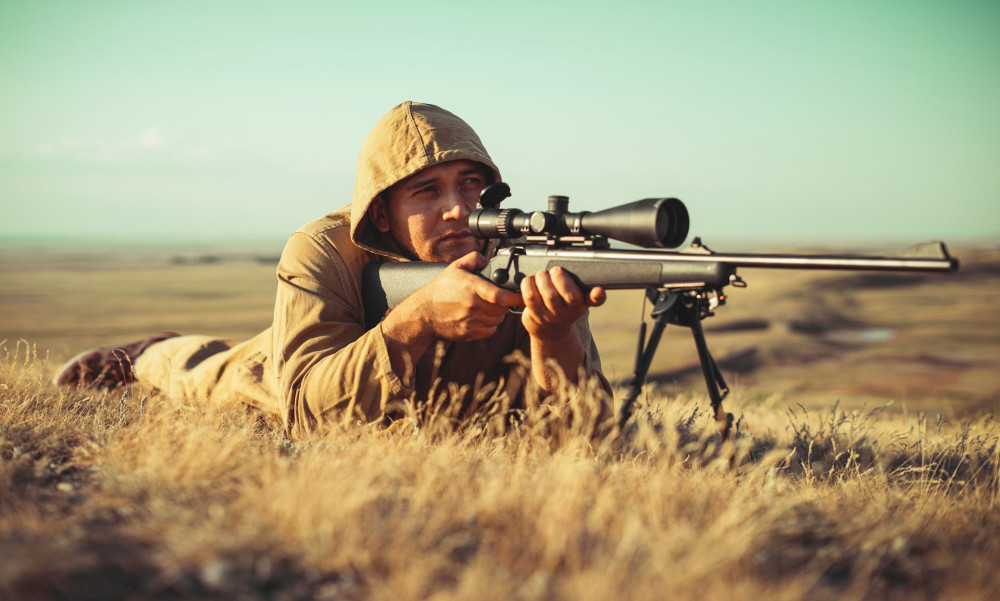
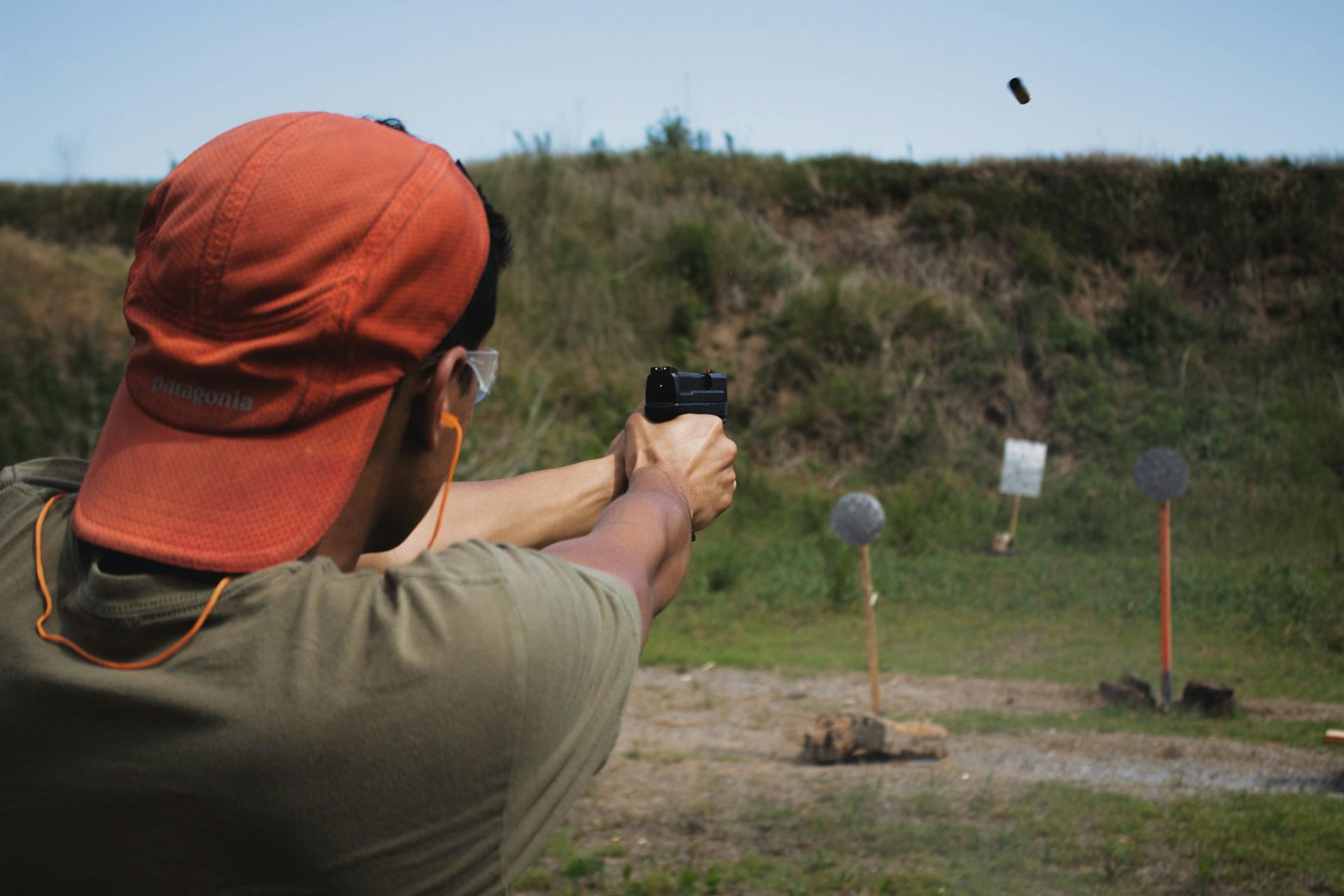
Hitting the target isn’t just about a steady hand or a sharp eye. Your breathing and posture play a crucial role in how stable and accurate your shot will be—whether you’re on the range with a rifle, pistol, or bow. Many shooters focus on gear and technique but forget that the most important piece of equipment is their own body. Here’s how mindful breathing and proper posture can help you shoot with greater precision and calm.
Why Breathing Matters So Much
Every breath you take moves your chest and diaphragm, and even small movements can shift your aim—especially at longer distances. Good shooting isn’t about holding your breath as long as possible; it’s about controlling it so your body is still and relaxed when the shot breaks.
A steady, controlled breathing rhythm helps you:
- Stabilize your body – less movement means greater accuracy.
- Stay calm – slow breathing lowers your heart rate and reduces tension.
- Maintain focus – the rhythm of your breath keeps your mind centered.
Many experienced shooters use a simple technique: take a deep breath in, exhale slowly, and fire during the brief pause right after exhaling. That’s when your body is naturally the most still.
How to Train Your Breathing
You can practice breathing both on and off the range. Start by noticing how you breathe when you’re at rest. Place a hand on your abdomen and feel it rise as you inhale—that’s a sign you’re using your diaphragm rather than just your chest.
Try this simple exercise:
- Stand or sit with your back straight.
- Inhale slowly through your nose for four seconds.
- Hold your breath for two seconds.
- Exhale gently through your mouth for six seconds.
- Repeat for one minute.
This rhythm helps calm your body and mind and can be used as a warm-up before you step up to the firing line. Over time, you’ll notice your pulse settling faster and your focus improving under pressure.
Læs også:
Posture: The Foundation of a Steady Shot
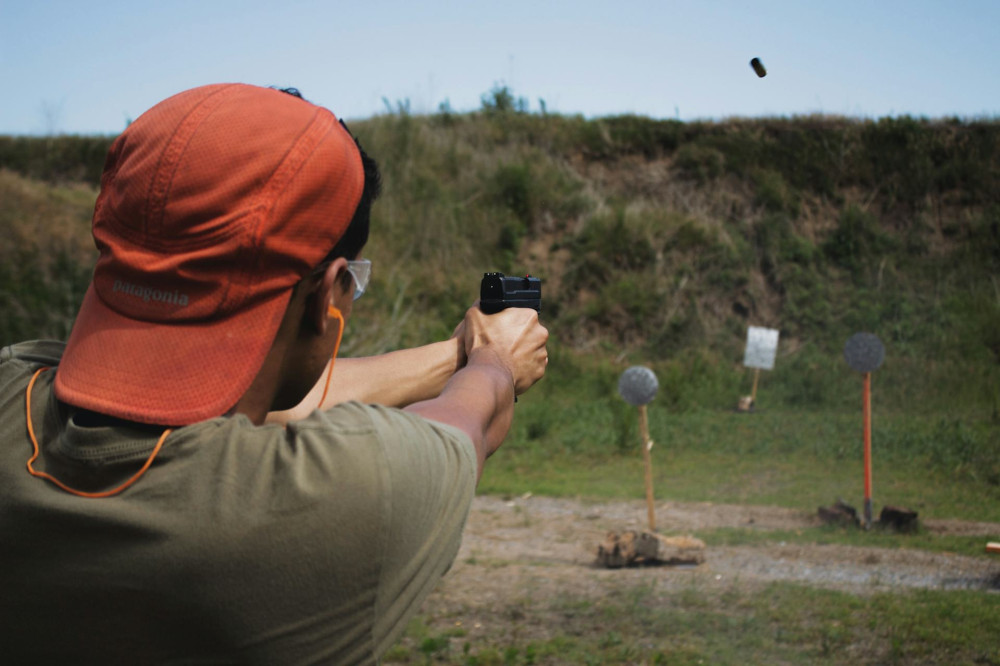
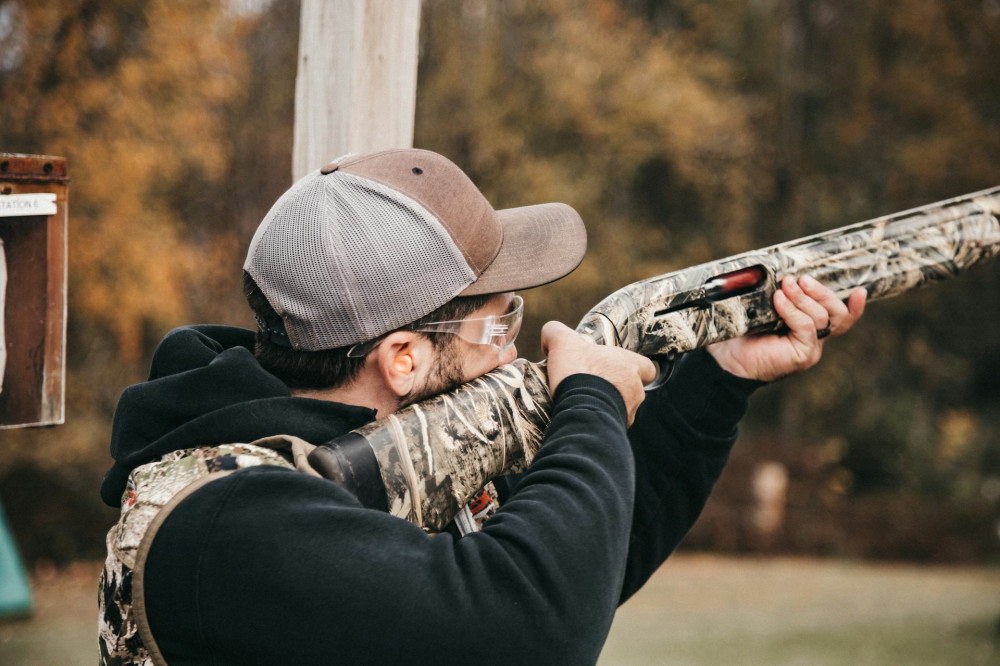
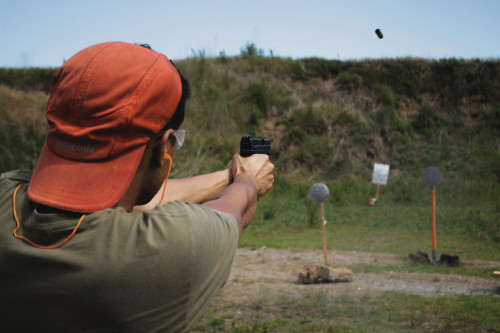
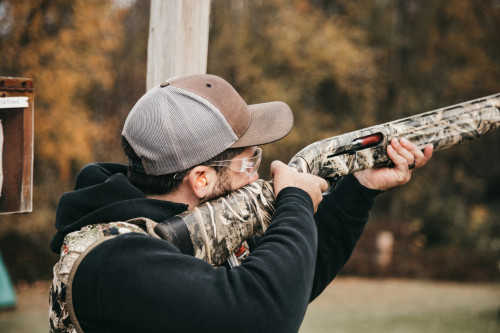
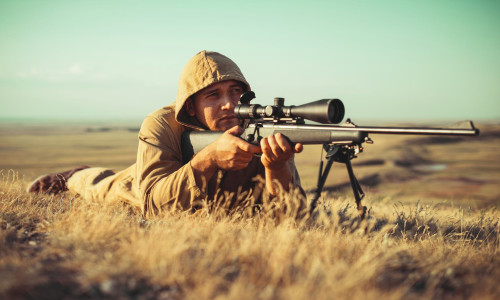
Good posture is the foundation of accuracy. Whether you’re shooting standing, kneeling, or prone, your body should be balanced so you’re not relying on muscle tension to hold the firearm steady.
- Feet should be planted firmly, about shoulder-width apart.
- Weight should be evenly distributed—not too far forward or back.
- Back should be straight but relaxed.
- Shoulders should be lowered to avoid unnecessary tension.
When you find a natural, balanced stance, you can hold your aim longer without fatigue. The goal isn’t to stand rigidly still but to find a position where your body supports the shot effortlessly.
The Connection Between Breathing and Trigger Control
The moment you press the trigger is the culmination of all your preparation. If you breathe too quickly or tense up, even a perfect sight picture can be thrown off. That’s why your breathing should guide the rhythm of your shot.
A good rule of thumb: inhale – exhale – pause – squeeze. As you exhale, your body naturally relaxes. In the short pause after exhaling, movement is minimal—that’s the ideal time to press the trigger. Let the trigger break smoothly and gradually, not as a sudden jerk.
Mental Focus and Body Awareness
Shooting is as much a mental discipline as a physical one. Your breath acts as an anchor, helping you stay focused even when your heart rate rises. Many skilled shooters use short breathing exercises between strings of fire to reset both body and mind.
Think of breathing as part of your shooting routine—just like checking your sights or stance. The more natural it becomes, the more consistent your performance will be.
Practice Without a Firearm
You don’t need to be at the range to train your breathing and posture. At home, stand in front of a mirror and observe how your body moves as you breathe. Practice keeping your upper body still while exhaling. You can also use a resistance band or a light object to simulate the weight of your firearm.
These exercises build body awareness and make it easier to apply proper technique when you’re actually shooting.
Small Adjustments, Big Results
Improving your shooting doesn’t always require major changes. Often, it’s the small details that make the biggest difference—a deeper breath, a relaxed shoulder, a balanced stance. When you learn to feel your body and control your breathing, you’ll not only shoot more accurately but also experience a greater sense of calm and focus every time you step onto the range.
Læs også: